EN
EN
 AR
AR
 BG
BG
 HR
HR
 CS
CS
 DA
DA
 FR
FR
 DE
DE
 EL
EL
 HI
HI
 PL
PL
 PT
PT
 RU
RU
 ES
ES
 CA
CA
 TL
TL
 ID
ID
 SR
SR
 SK
SK
 SL
SL
 UK
UK
 VI
VI
 ET
ET
 HU
HU
 TH
TH
 MS
MS
 SW
SW
 GA
GA
 CY
CY
 HY
HY
 AZ
AZ
 UR
UR
 BN
BN
 LO
LO
 MN
MN
 NE
NE
 MY
MY
 KK
KK
 UZ
UZ
 KY
KY


بجلائی ہاؤس کی ناکامی کے اقسام کو سمجھنا
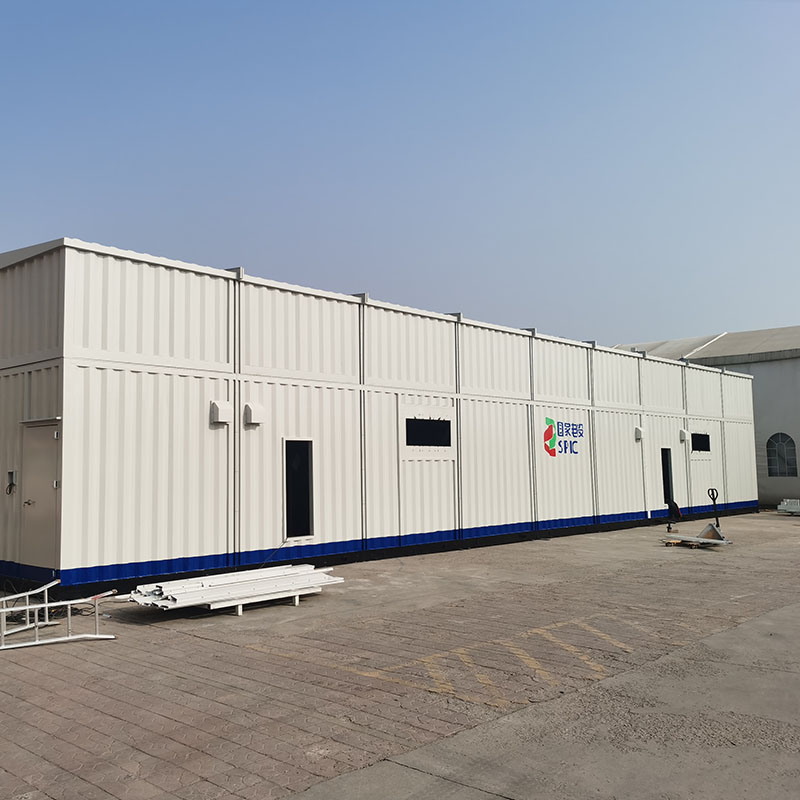
ایک بجلی کا گھر — جسے ای-ہاؤس، پاور ہاؤس یا پیش ساز بجلائی انکلوژر بھی کہا جاتا ہے — درمیانی وولٹیج سوئچ گیئر، کم وولٹیج تقسیم پینلز، ٹرانسفارمر باے، اور کنٹرول سسٹمز کو موسم کے خلاف تحفظ فراہم کرنے والے سٹیل یا کانکریٹ کے انکلوژر میں اکٹھا کرتا ہے۔ یہ ماڈیولر یونٹس کان کنی کے آپریشنز، تیل اور گیس کی سہولیات، اور دور دراز صنعتی مقامات جہاں مستقل عمارتیں عملی نہیں ہوتیں، کے لیے استعمال ہوتے ہیں۔
محصور ماحول گرمی اور نمی کو اس طرح مرکوز کرتا ہے جس طرح کھلے میں واقع سب اسٹیشنز قدرتی طور پر انہیں منتشر کرتے ہیں۔ زیادہ سے زیادہ لوڈ کے دوران درجہ حرارت میں اضافہ ماحولیاتی درجہ حرارت سے 15°C سے زیادہ ہو سکتا ہے، جس سے عزل کی عمر میں تیزی سے کمی آتی ہے اور ہر 10°C کے اضافے کے ساتھ اس کی عمر تقریباً دوگنی تیزی سے کم ہو جاتی ہے۔ ایک بریکر جو 40°C پر 30 سال کی سروس کے لیے درجہ بند کیا گیا ہو، بغیر حرارتی مداخلت کے 55°C پر کام کرتے ہوئے صرف 12 تا 15 سال تک چل سکتا ہے۔
چلی میں ایک تانبا کی کان نے چھ ماہ کے اندر تین بندشیں تجربہ کیں، جن میں سے ہر ایک کا سبب ایک بجلی کا گھر ابتدائی کرشر سب اسٹیشن کی خدمت کرنے والے اندرونی حصے میں نمی کا اجتماع تھا۔ ایچ وی اے سی نظام کو خشک موسم کے حالات کے لیے مخصوص کیا گیا تھا اور بارش کے موسم میں نمی کے اچانک اضافے کو برداشت کرنے کی صلاحیت نہیں رکھتا تھا۔ معیاری ایئر کنڈیشنر کی جگہ 95 فیصد نسبتی نمی کے لیے درجہ بند ایک صنعتی ڈی ہیومیڈیفیکیشن یونٹ لگانے سے مزید اجتماعی نمی کی خرابیوں کو ختم کر دیا گیا، جس سے تقریباً $2.3 ملین کا تخمینہ لگایا گیا ہے جو پیداواری رکاوٹ سے بچائی گئی۔
حرارتی مینیجمنٹ
حرارتی لوڈ اور ایچ وی اے سی کا سائز
ہر بجلی کا آلہ ان پٹ طاقت کا ایک حصہ گرمی میں تبدیل کرتا ہے۔ ایک درمیانے وولٹیج سوئچ گیئر لائن اپ فی پینل 500 تا 2,000 واٹ گرمی خارج کرتا ہے۔ کل گرمی کا بوجھ ہر اجزاء کے نام پلیٹ نقصانات کے مجموعے کے برابر ہوتا ہے جس پر تنوع کا عامل لاگو کیا جاتا ہے۔ ایچ وی اے سی نظام کو اس بوجھ اور گھیرنے کی چھت پر سورج کی روشنی کے باعث پیدا ہونے والی اضافی گرمی کو سنبالنے کے ساتھ ساتھ اندرونی درجہ حرارت کو 18 تا 30° سیلسیئس کے درمیان برقرار رکھنا ہوتا ہے۔
باقاعدہ N+1 ایچ وی اے سی ترتیب یہ یقینی بناتی ہے کہ ایک اصل اکائی کے خراب ہونے کی صورت میں بھی ٹھنڈا کرنا جاری رہے۔ دور سے سی ڈی اے مانیٹرنگ آپریٹرز کو ایچ وی اے سی کی ناکامی کے بارے میں اس سے پہلے آگاہ کرتی ہے کہ درجہ حرارت میں اضافہ آلات کو نقصان پہنچانے کی سطح تک پہنچ جائے۔
ہوا کے بہاؤ کی تقسیم
درجہ حرارت کی تہہ بندی سقف کے قریب گرم علاقوں کا ایجاد کرتی ہے۔ سقف پر لگے ہوئے نکاسی کے پنکھوں کے ذریعے اوپری حجم سے گرم ہوا کو کولنگ کوائل کے ذریعے کھینچ کر اس کے اثر کو روکا جاتا ہے۔ مناسب ہوا کے بہاؤ کے انتظام کے بغیر، اوپری کیبنٹ کی پوزیشنز میں لگے آلات نچلی پوزیشنز کے مقابلے میں 10 تا 15° سیلسیئس زیادہ گرم ہو کر کام کرتے ہیں۔
ہوا کے فلٹرز کا ماہانہ معائنہ اور دھول بھرے ماحول میں تین ماہ بعد تبدیلی کی ضرورت ہوتی ہے۔ بند ہونے والے فلٹرز ہوا کے بہاؤ کو روک دیتے ہیں جس سے اندرونی درجہ حرارت ڈیزائن کی حد سے اوپر چلا جاتا ہے۔ فلٹر بینک کے دونوں سروں پر لگے ہوئے مختلف دباؤ کے سوئچ ہوا کے بہاؤ کے تنگ ہونے سے پہلے مسلسل نگرانی فراہم کرتے ہیں۔
نمی کا کنٹرول
نمی کے ذرائع اور روک تھام
نمی ایچ وی اے سی کے تازہ ہوا کے داخلہ، دیواروں کے سوراخوں، عملے کے داخلے، اور کبھی کبھار کیبل گلینڈز یا دروازوں کی سیلنگ کے ذریعے پانی کے داخلے کے ذریعے اندر آتی ہے۔ نسبی نمی کو 60% سے کم برقرار رکھنا بجلی کی سطحوں پر تکثیف کو روکتا ہے۔ گرم اور سمندری علاقوں میں جہاں ماحولیاتی نمی 85% سے زیادہ ہو، ایچ وی اے سی کو ٹھنڈا کرنے کے علاوہ خاص طور پر استعمال ہونے والے جذب کرنے والے ڈی ہیومیڈیفائیرز کا استعمال کیا جاتا ہے۔
سوئچ گیئر کے حجز کے اندر اینٹی کنڈینسیشن ہیٹرز ڈیو پوائنٹ سے 3–5°C زیادہ درجہ حرارت برقرار رکھتے ہیں، جس سے بس بار کے انسلیٹرز پر نمی کی تہ کے بننے کو روکا جاتا ہے۔ ہیٹرز ہائیگرواسٹ کے کنٹرول کے ذریعے ایچ وی اے سی کے مرکزی نظام سے بالکل الگ طور پر فعال ہوتے ہیں۔
کیبل داخلہ کی سیلنگ
ہر کیبل داخلی راستہ نمی کے لیے ایک ممکنہ راستہ بناتا ہے۔ متعدد کیبل سیلنگ ماڈیول ماحولیاتی درجہ بندی برقرار رکھتے ہیں جبکہ مستقبل میں اضافی کیبلز کو بھی استعمال میں لایا جا سکتا ہے۔ آئی ای سی 62271-202 میں پیش ساز سبسٹیشنز کے لیے کم از کم IP23D کے انگریس پروٹیکشن کی وضاحت کی گئی ہے، حالانکہ زیادہ تر صنعتی درخواستوں میں دھول اور پانی کے جیٹ سے تحفظ کے لیے IP54 یا IP55 کی درجہ بندی مقرر کی جاتی ہے۔
آرک فلیش اور آگ کی روک تھام
آئی ای سی 62271-200 کے مطابق انٹرنل آرک کی درجہ بندی کا تعین کیا گیا ہے جس کے تحت آرک فالٹس کو کنٹینر کے باہر عملے کو خطرہ نہیں پہنچانا چاہیے۔ چھت یا اوپری دیواروں میں دباؤ سے آزاد ہونے والے وینٹس کنٹرولڈ اخراج کے راستے فراہم کرتے ہیں، جو اتنے کم دباؤ پر کھلتے ہیں کہ ساختی تبدیلی روکی جا سکے، لیکن اتنا زیادہ دباؤ ہوتا ہے کہ ہوا کے جھونکے سے غلطی سے کھلنا ناممکن ہو جائے۔
ہوا کو کھینچ کر انتہائی جلد دھواں کا پتہ لگانے والا نظام مختلف علاقوں سے ہوا کے نمونے مستقل طور پر لیتا ہے، جس کے نتیجے میں سیکنڈوں کے اندر الارم کا جواب ممکن ہوتا ہے۔ صاف ایجنٹس — FM-200، نوویک 1230، یا بے اثر گیس — کے ذریعے خودکار آگ بجھانے کا نظام آگ کو بغیر کسی باقیات کے بجھا دیتا ہے جن کی صفائی کی ضرورت ہوتی ہے۔
اکثر پوچھے گئے سوالات
برقی گھروں میں بجلی کی خرابیاں کیا وجوہات پیدا کرتی ہیں؟
کنڈکٹر کے اُپر نمی کا جمع ہونا، غیر مناسب HVAC کی وجہ سے زیادہ گرمی، چارج کرنے والے راستوں کو بنانے کے لیے دھول کا جمع ہونا، گرم مقامات پیدا کرنے کے لیے ڈھیلے کنکشنز، اور مستقل زیادہ درجہ حرارت کی وجہ سے عزل کا عمر رسیدہ ہونا۔ ہر عامل دوسرے عوامل کو بڑھاتا ہے — گرم آلات نمی کی تباہی کو تیز کرتے ہیں، اور تباہ شدہ عزل سوئچنگ ٹرانسیئنٹس کے دوران زیادہ اوور وولٹیج کے دباؤ کو برداشت کرنے کی صلاحیت کم ہوتی ہے۔
برقی گھر کے HVAC نظام کا معائنہ کتنی بار کیا جانا چاہیے؟
ماہانہ فلٹر کا معائنہ، تین ماہ بعد ٹھنڈک کی کارکردگی کی تصدیق، اور سالانہ جامع سروس جس میں کوائل کی صفائی، ریفریجرنٹ چارج کی جانچ اور کنٹرول کی کیلنڈریشن شامل ہو۔ زیادہ دھول والے مقامات یا ساحلی علاقوں میں نمک کے اسپرے کے تحت مقامات پر فلٹر کی تبدیلی دو ماہ بعد اور کوائل کی صفائی چھ ماہ بعد کی ضرورت ہو سکتی ہے۔
برقی گھر کے اندر درجہ حرارت کی تجویز کردہ حد کیا ہے؟
مستقل عمل کے لیے 18–30°C، اور HVAC کی مرمت کے دوران عارضی طور پر 35°C تک کی اجازت۔ آلات کے سازندہ اجزاء کو زیادہ سے زیادہ 40°C کے ماحولیاتی درجہ حرارت کے لیے درجہ بندی کرتے ہیں؛ 30°C سے کم درجہ حرارت پر کام کرنا گرم مقامات کے لیے حرارتی مارجن کو برقرار رکھتا ہے جہاں مکمل لوڈ کے تحت مقامی درجہ حرارت ماحولیاتی درجہ حرارت سے 20–30°C تک زیادہ ہو سکتی ہے۔
کنڈینسیشن بجلائی خرابیاں کیسے پیدا کرتی ہے؟
عایق پر نمی کی پرت غیر موصلہ راستوں کو موصل بناتی ہے جس سے جزوی تخلیہ شروع ہوتی ہے۔ ہفتہ وار یا ماہانہ بنیاد پر، جزوی تخلیہ عایق کو کھوکھل کرتی ہے اور کاربنائزڈ ٹریکنگ راستے تشکیل دیتی ہے۔ جب ٹریکنگ فیز سے زمین کے درمیان فاصلے کو پل بنا دیتی ہے تو مکمل خرابی کا بہاؤ قوس کی شکل میں شروع ہوتا ہے — یہ عمل ابتدائی کنڈینسیشن سے کھربی خرابی تک ماہوں تک لگ سکتا ہے۔
بجلائی گھر کو آگ کی حفاظت کی کیا ضرورت ہے؟
دھوئیں کا پتہ لگانے والا نظام جو تمام ڈبے کو احاطہ کرتا ہے، صاف ایجنٹس کا خودکار دباؤ، زیادہ سے زیادہ متوقع آرک توانائی کے لیے درست سائز کے دباؤ کم کرنے والے وینٹس، اور کمپارٹمنٹیشن برقرار رکھنے والے آگ سے مزاحمت کرنے والے کیبل کے گزر کے مقامات۔ لیاؤننگ سائنو ٹیک گروپ جیسے سپلائرز مکمل ای-ہاؤس حل فراہم کرتے ہیں جن میں ایکیویٹڈ تحفظ کے نظام شامل ہوتے ہیں۔
برقی گھروں کو استعمال سے پہلے کیسے جانچا جاتا ہے؟
فیکٹری قبولیت کے ٹیسٹ کے ذریعے ایچ وی اے سی کی کارکردگی، بیرونی ڈھانچے کی داخلی حفاظت، اندر کے آرک کی درجہ بندی، زمینی گرڈ کی مسلسل جڑنے کی صلاحیت، اور تمام تحفظ اور کنٹرول سسٹمز کی عملی جانچ کی تصدیق کی جاتی ہے۔ موبل ٹیسٹنگ لیبارٹریاں نصب کرنے کے بعد مقامی سطح پر جزوی ڈسچارج کی پیمائش اور تھرموگرافک سروے کر سکتی ہیں۔ لیاؤننگ سائنو ٹیک گروپ جیسے سپلائرز انسٹالیشن کی آخری جگہ پر کمیشننگ کی حمایت کرتے ہوئے ایکیویٹڈ ٹیسٹنگ کی دستاویزات فراہم کرتے ہیں۔