EN
EN
 AR
AR
 BG
BG
 HR
HR
 CS
CS
 DA
DA
 FR
FR
 DE
DE
 EL
EL
 HI
HI
 PL
PL
 PT
PT
 RU
RU
 ES
ES
 CA
CA
 TL
TL
 ID
ID
 SR
SR
 SK
SK
 SL
SL
 UK
UK
 VI
VI
 ET
ET
 HU
HU
 TH
TH
 MS
MS
 SW
SW
 GA
GA
 CY
CY
 HY
HY
 AZ
AZ
 UR
UR
 BN
BN
 LO
LO
 MN
MN
 NE
NE
 MY
MY
 KK
KK
 UZ
UZ
 KY
KY


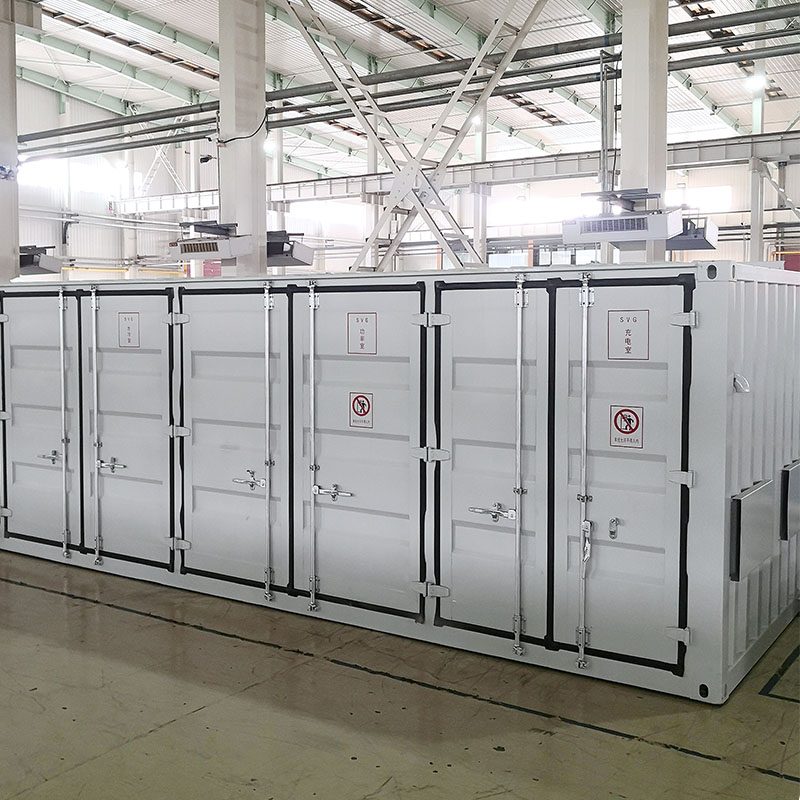
How SVG Works: Core Operating Principle and Reactive Current Control
Static Var Generators, commonly known as SVGs, work differently from traditional methods when it comes to managing reactive power. These devices rely on semiconductor components called IGBTs to either produce or take in reactive current (measured in VARs) without any mechanical moving parts involved. The way they do this is pretty clever actually. They create opposing electrical currents using something called pulse width modulation. When there's an inductive load causing lag, the SVG sends out a capacitive current to balance things out. For capacitive loads that cause different kinds of issues, it does the opposite. This whole process happens incredibly fast too, getting systems close to perfect power factor within just a fraction of a second.
IGBT-Based Voltage-Source Inversion for Instantaneous VAR Generation
The core innovation is the IGBT voltage-source converter architecture. Rapid switching of DC bus voltage through anti-parallel IGBT pairs constructs three-phase AC waveforms precisely 90° out of phase with grid voltage—enabling precise, continuous control of reactive power output proportional to system voltage. Key advantages over traditional solutions include:
- Elimination of harmonic resonance risks inherent to capacitor banks
- Seamless, stepless adjustment across the full capacitive-to-inductive range
- Voltage-independent current output—unlike thyristor-controlled SVCs
Sub-Millisecond Dynamic Response vs. Mechanical Switching Limitations
SVGs respond in 1–5 milliseconds—100–300× faster than thyristor-switched capacitors (300–500 ms) and orders of magnitude quicker than mechanical switches, which suffer 20–40 cycle delays due to physical contact movement and re-ignition constraints. This sub-cycle speed is essential for:
- Preventing voltage collapse during motor starts or generator tripping
- Mitigating flicker in arc furnace and welding applications
- Stabilizing voltage amid rapid solar/wind generation fluctuations
Crucially, SVGs transition between capacitive and inductive modes without interruption—delivering uninterrupted reactive reserves during fault ride-through (FRT), a capability mechanical systems cannot match.
SVG for Power Quality Improvement: Harmonics, Unbalance, and Compliance
Real-Time Harmonic Filtering and Three-Phase Unbalance Correction
SVG technology works against harmonic distortion by sending out opposite currents almost instantly, which cancels out those annoying frequencies coming from things like variable frequency drives (VFDs). When this happens in real time, it keeps total harmonic distortion (THD) at less than 5%, something that really matters for all sorts of delicate equipment around the plant floor. Another big plus is how SVGs tackle three-phase voltage imbalances through their unique way of managing reactive power across phases. Take a manufacturing facility with lots of single-phase laser cutters running alongside bigger three-phase machinery. Without proper balance, motors can get hot and fail early on. But with SVGs in place, we've seen voltage imbalance drop dramatically from around 8% down to just over 2%. And unlike older passive filter systems, there's no waiting for switches to kick in or dealing with those pesky tuning issues that limit performance.
Meeting IEEE 519–2022 Limits in High-Distortion Industrial Facilities
SVG technology keeps systems compliant with IEEE 519-2022 standards by actively managing harmonics all the way up to the 50th order, even under tough conditions found in places like arc furnaces or inside data centers. When PCC voltage starts getting distorted beyond 10%, these SVG units keep total harmonic distortion (THD) under control at around 3.5% or better, which is comfortably below the 5% limit set by most utilities. One real world example comes from a semiconductor factory where installing SVGs cut down on harmonic issues by about 92% after deployment, plus saved them roughly $740,000 each year on capacitor bank maintenance according to a Ponemon Institute report from last year. Beyond just meeting regulations, this kind of proactive approach stops potential fines, protects transformers from unnecessary stress, and helps operations run smoothly without unexpected interruptions.
SVG as a Grid Stability Enabler: Voltage Support and Fault Ride-Through
Dynamic Voltage Regulation During Grid Disturbances and FRT Events
SVG technology helps keep electrical grids stable by injecting or absorbing reactive power almost instantly when there are voltage drops, surges, or system faults. Mechanical capacitor banks take around 3 to 5 cycles before they can react, but SVG systems respond right away, keeping voltages within about plus or minus 2% of normal levels and stopping protective devices from tripping unnecessarily. When dealing with Fault Ride-Through situations, these systems maintain enough reactive power reserves to satisfy strict grid requirements like those outlined in IEEE 1547-2018 standards. For areas where wind energy makes up a large portion of the power mix, using SVG based voltage control cuts down on power outages by approximately 60 percent over older methods according to research published in Power Systems Research back in 2023.
Case Evidence: 33-kV Wind Farm Integration with SVG-Based Reactive Reserve
A 33-kV wind farm integrating 15 turbines demonstrated SVG’s grid-stabilizing impact. Prior to installation, gust-induced voltage dips exceeded 8%, triggering turbine disconnections. After deploying a 5-MVAR SVG system, reactive reserve maintained voltage within 1.5% of baseline during 98% of FRT events. Key outcomes included:
- 70% reduction in voltage sags below 0.9 per unit (pu) during grid faults
- Zero wind turbine dropouts during 0.15-second fault windows
- Full compliance with EN 50549-2:2019 grid code requirements for renewable integration
This case validates SVG’s role in enabling reliable, high-penetration renewable energy integration.
SVG vs. Alternatives: Operational Flexibility and Lifecycle Value
SVG technology offers far greater flexibility compared to traditional capacitor banks and thyristor controlled systems. Unlike mechanical options that switch in steps with noticeable delays, SVGs handle reactive power continuously in both directions almost instantly, which gets rid of those annoying transients and voltage flicker problems. The speed makes all the difference in industries with constantly changing loads like welding operations and steel rolling mills. Standard equipment just can't keep up when there are response delays over 100 milliseconds, causing instability and production issues that nobody wants to deal with.
The lifetime value proposition really stands out when looking at these systems. SVG technology actually cuts down on losses by somewhere between half and three quarters compared to similar SVC models. Why? Because there's no reactor heating involved anymore and we don't have to deal with those pesky external harmonic filters either. That means real money savings on energy bills over time. Another big plus is that there are simply no moving parts to worry about, and no capacitors that age out and need replacing regularly. Maintenance checks can last anywhere from 3 to 5 years longer than what we see with older electromechanical systems. Some mining operations have reported getting close to 99.5% uptime with these installations, which obviously helps avoid expensive production stoppages. Plus, the physical size of SVG units takes up about 40 to 60 percent less space than traditional capacitor banks. This makes them perfect choices for retrofitting existing facilities where space is at a premium.
FAQs
What is an SVG and how does it work?
An SVG, or Static Var Generator, is a device that manages reactive power without mechanical moving parts. It uses IGBTs to create opposing electrical currents and balance inductive or capacitive loads almost instantly.
How do SVGs improve power quality?
SVGs improve power quality by filtering harmonics, correcting three-phase unbalance, and maintaining compliance with industry standards such as IEEE 519-2022. They help reduce voltage sags and keep THD levels low.
What are the benefits of SVG technology compared to traditional methods?
SVG technology offers faster response times, greater flexibility, reduced losses, lower maintenance requirements, and efficient space utilization compared to traditional capacitor banks and thyristor-controlled systems.