EN
EN
 AR
AR
 BG
BG
 HR
HR
 CS
CS
 DA
DA
 FR
FR
 DE
DE
 EL
EL
 HI
HI
 PL
PL
 PT
PT
 RU
RU
 ES
ES
 CA
CA
 TL
TL
 ID
ID
 SR
SR
 SK
SK
 SL
SL
 UK
UK
 VI
VI
 ET
ET
 HU
HU
 TH
TH
 MS
MS
 SW
SW
 GA
GA
 CY
CY
 HY
HY
 AZ
AZ
 UR
UR
 BN
BN
 LO
LO
 MN
MN
 NE
NE
 MY
MY
 KK
KK
 UZ
UZ
 KY
KY


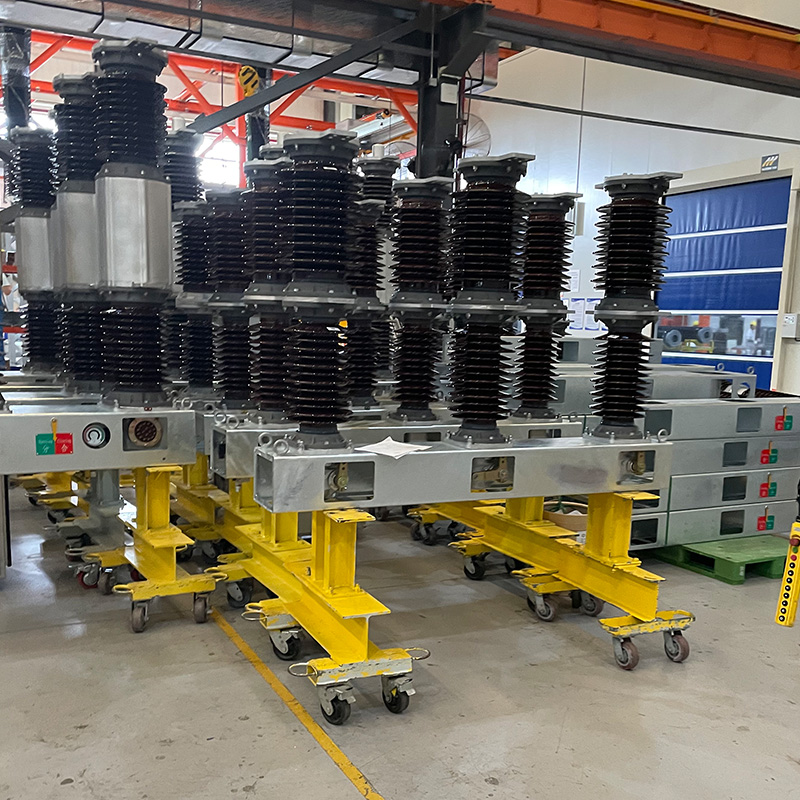
Glavne prednosti SF6 prekidača za zaštitne primjene
Vrhunska čvrstoća i dielektrična čvrstoća za pouzdano prekid kvarova
SF6 prekidači se oslanjaju na sumpor hexafluorid, koji je u osnovi elektronegativni plin koji radi tako da uhvati te dosadne slobodne elektrone iz luk plazme i pretvori ih u teže negativne ione. Što to znači za stvarne performanse? Lukovi se gasiju oko 100 puta brže u usporedbi s tradicionalnim metodama korištenjem zraka ili ulja, tako da je mnogo manje habanja na kontaktnim lećama tijekom vremena. Pod sličnim pritiscima, SF6 ima oko tri puta više dielektrične čvrstoće od običnog zraka, što ga čini stvarno dobrim u održavanju izolacije čak i kada stvari postanu super vruće ili električno intenzivne. To omogućuje ovim prekidačima zaustavljanje masivnih struja pri kvaru do 63 kilomapa u samo dva do tri ciklusa rada. Još jedan veliki plus je da SF6 ne reagira kemijski s ničim, tako da nema rizika od požara dok se radi, što čini sve te sigurnosne sustave rade bolje na mjestima gdje pouzdanost je najvažnija.
U skladu s člankom 5. stavkom 1.
SF6 prekidači osiguravaju dosljednu učinkovitost od distribucijskih mreža srednje napetosti 11 kV do prijenosnih sustava izuzetno visoke napetosti 800 kV+. Njihova modularna arhitektura se učinkovito razmjera: kompaktne zapečaćene jedinice zadovoljavaju zahtjeve MV-a, dok dizajn prekidača s više prekidača zadovoljava zahtjeve EHV-a. Metrike isprobane na terenu pokazuju ovu svestranost:
- MV sustavi : Potpuno prekid prijevara u 28 ms pri struji kratkog spoja od 40 kA
- EHV mreže za električne uređaje za proizvodnju električnih goriva
Ova pouzdanost u odnosu na napinu, zajedno s niskim potrebama održavanja, podržava robusnu integraciju različitih zaštitnih arhitekturaod urbanog prstenastog sustava do nacionalnih mreža.
U skladu s člankom 6. stavkom 1.
Podaci o dostupnosti mreže: 99,98% radnog vremena i niske stope neuspjeha
SF6 prekidači održavaju oko 99,98% operativnog radnog vremena za prenosne sustave. Ova razina pouzdanosti uglavnom je posljedica njihove zapečaćene konstrukcije koja se odupire kontaminaciji iz vanjskih elemenata. Stopa kvarova ostaje ispod 0,1% godišnje u visokonapetostnim instalacijama jer SF6 plin ima izvanrednu sposobnost da se sam oporavi kada se pojave lukovi tijekom rada. Kontakti unutar ovih prekidača ostaju netaknuti čak i nakon više slučajeva kada prekidaju struju do 63 kilometra. U skladu s člankom 3. stavkom 1. točkom (a) Uredbe (EU) br. 528/2012 Komisija je odlučila o uvođenju mjera za smanjenje rizika od prekida rada. Stoga su posebno vrijedna sredstva za zaštitu podstanica gdje je neprekidno funkcioniranje apsolutno nužno za stabilnost mreže.
U skladu s člankom 3. stavkom 2.
Većina velikih instalacija traje mnogo duže od tri desetljeća, što smanjuje ukupne troškove tijekom vremena. No održavanje nije potrebno ni približno tako često, svakih 10 do 15 godina u usporedbi s vakuumskim opcijama koje zahtijevaju održavanje otprilike pola vremena. Zašto? Ovi sustavi imaju vrlo malo pokretnih komponenti i potpuno su zatvoreni protiv vanjskih elemenata. Ipak, provjere kvalitete plina se moraju povremeno provjeravati. Srećom, moderna tehnologija za praćenje radi otprilike 90 posto dijagnostičkih radova automatski. To znači da operateri dugoročno troše oko 40 posto manje na troškove rada, čak i ako je početna ulaganja veća. Također je važno da tehničari budu pravilno obučeni za rukovanje SF6 gasom. Ne samo zato što to propisi zahtijevaju, nego i da se spriječe slučajno curenje kad održavači prolaze kroz redovne rutinske usluge.
U slučaju da je to potrebno, sustav mora biti opremljen s sustavom za upravljanje snagama.
U skladu s člankom 3. stavkom 1.
Sumporni heksapluorid je stvarno loš za okoliš jer ima taj veliki potencijal globalnog zatopljenja koji je 23.500 puta gori od ugljičnog dioksida kada se gleda na vremenski okvir od 100 godina. Plus, ostaje u atmosferi za zapanjujuće 3.200 godina jednom pušten. Najveći problem dolazi od tih slučajne emisije koje se događaju kada ljudi instalirati, održavati ili rastaviti opremu koja sadrži SF6. Industrijska istraživanja pokazuju da su te curenja obično oko 15% svake godine od svih instaliranih SF6 uređaja. Ono što stvari još pogoršava je da za razliku od drugih opcija kao što su vakuumski sustavi ili čvrsta dielektrična materija, rad s SF6 zahtijeva stroge postupke rukovanja. Tvrtke moraju stalno provjeravati curenja, izvaditi što mogu i reciklirati kad god je to moguće samo da bi pokušali smanjiti štetu okolišu i pravne probleme koje dolaze s propisima o stakleničkim plinovima.
U skladu s člankom 3. stavkom 1.
Vlade širom svijeta postaju sve strože u vezi s propisima ovih dana. Europska unija želi smanjiti potrošnju SF6 za gotovo 80% prije 2030. godine u skladu s pravilima o F-gazima. U međuvremenu, u Kaliforniji, Senat Bill 905 prisiljava tvrtke da izvještavaju emisije godišnje i kreirati planove za postupno ukidanje visokonaponske opreme. U Australiji su već zabranili sve nove instalacije SF6 iznad 24 kV od 2025. Sve ove promjene guraju industrije prema alternativnim rješenjima poput fluoroketonnih mješavina i suvih izolacijskih odabirnih sustava. No, modernizacija starih sustava i dalje dolazi s visokom cijenom. Industrijski stručnjaci predviđaju da će oko 40% tvrtki za komunalne usluge potpuno zamijeniti svoje SF6 opreme do sredine sljedeće desetljeća samo da bi se držali sve strožih zakona o okolišu u različitim regijama.
FAQ odjeljak
Koja je glavna prednost korištenja SF6 prekidača?
SF6 prekidači pružaju superiorne mogućnosti gašenja luka i dielektričnu čvrstoću, što rezultira bržim prekidima kvarova i smanjenim obrađenjem kontakta tijekom vremena.
Kako utječe na okoliš utjecaj SF6 na njegovu uporabu?
SF6 ima visok potencijal globalnog zatopljenja, što potiče stroge propise za smanjenje emisija, poticanje prelaska na alternativna rješenja i naknadno opremljanje u svim industrijama.
Postoje li inicijative za postupno ukidanje SF6?
Da, regulatorna tijela diljem svijeta provode mjere za postupno ukidanje upotrebe SF6, s značajnim smanjenjem planiranim do 2030.