EN
EN
 AR
AR
 BG
BG
 HR
HR
 CS
CS
 DA
DA
 FR
FR
 DE
DE
 EL
EL
 HI
HI
 PL
PL
 PT
PT
 RU
RU
 ES
ES
 CA
CA
 TL
TL
 ID
ID
 SR
SR
 SK
SK
 SL
SL
 UK
UK
 VI
VI
 ET
ET
 HU
HU
 TH
TH
 MS
MS
 SW
SW
 GA
GA
 CY
CY
 HY
HY
 AZ
AZ
 UR
UR
 BN
BN
 LO
LO
 MN
MN
 NE
NE
 MY
MY
 KK
KK
 UZ
UZ
 KY
KY


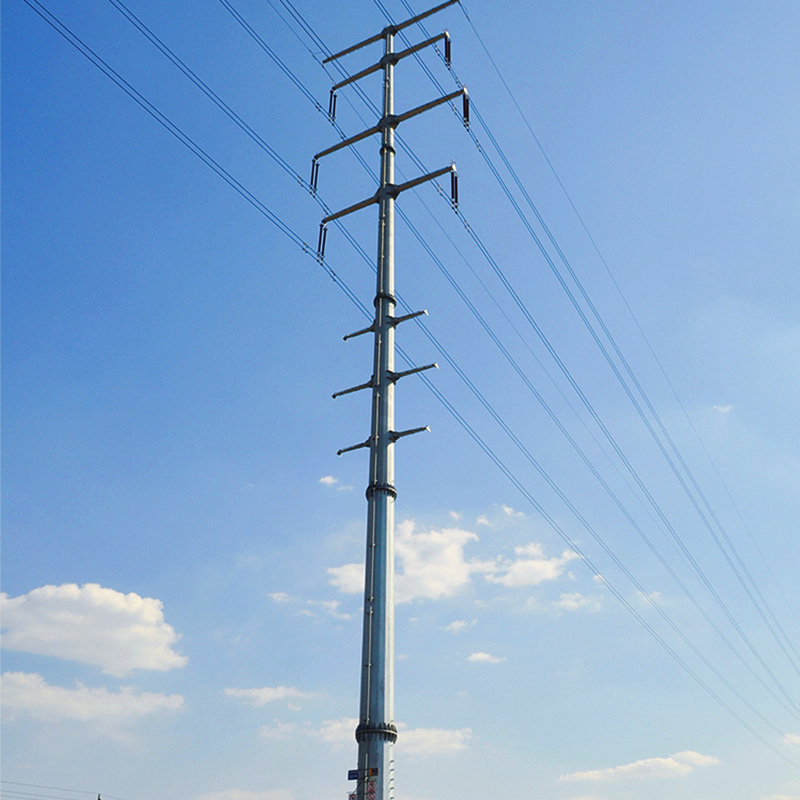
Why Coastal Towers Face Accelerated Corrosion
Chloride Intrusion Mechanisms: Salt Spray, Tidal Splash, and Atmospheric Deposition on Tower Structures
The corrosion problems at coastal towers come mainly from three sources of chloride exposure: salt spray kicked up by crashing waves, the direct hit of tidal splash during big storms, and chloride-rich moisture carried by the wind and deposited over time. When salt spray gets into tiny cracks in protective coatings, it forms conductive films that start those electrochemical reactions we call corrosion cells. Lower parts of towers take the brunt of tidal splash, getting repeatedly soaked in seawater, particularly bad during hurricanes or nor'easters. Meanwhile, chloride builds up slowly on all exposed surfaces through atmospheric deposition. These combined effects create really tough conditions for materials to withstand. Steel left unprotected in areas where waves splash against structures corrodes about 3 to 5 times quicker than steel just sitting in normal air conditions according to industry standards set by NACE International. For concrete foundations, when chloride levels go above 0.15% of the total weight, rebar starts corroding inside. The expanding rust then weakens the whole structure, leading to concrete breaking off (spalling) and eventual loss of critical structural sections.
Real-World Corrosion Rates in ISO 9223 C5-M Zones vs. Design Life Expectations for Transmission and Communication Towers
Steel towers placed in those harsh ISO 9223 C5-M marine zones suffer from corrosion at rates way beyond what engineers originally expected. The problem is real bad too carbon steel parts are eroding away at 80 to 200 microns per year, which means they corrode about eight times faster than similar structures in regular old C3 environments. What does this mean for tower longevity? Well, most towers are designed to last 30 to 50 years, but reality tells another story. Important pieces like bolt assemblies need replacing every 7 to 12 years instead. And when we look at the bigger picture, maintaining coastal transmission infrastructure ends up costing roughly 40 percent more than keeping things running inland. Engineers have taken notice of course. Standards bodies like IEEE with their 1242 guidelines and NACE through SP0106 now require better corrosion protection measures. These include building in extra material thickness, creating backup structural pathways, and doing detailed site evaluations before installing any new towers along the coastlines where salt air waits patiently to eat away at metal.
Protective Coating Systems Proven for Coastal Tower Applications
Epoxy-zinc primer + polyurethane topcoat: Performance, lifecycle cost, and maintenance intervals on steel towers
Combining epoxy zinc primers with polyurethane topcoats offers strong protection for steel towers located near coastlines. The zinc rich primer works like a sacrificial shield through cathodic protection, while the UV stable polyurethane forms a tough barrier that keeps salt from penetrating the metal surface. Tests conducted under harsh C5 M environmental conditions show these coatings last between 20 to 25 years, which is almost twice as long as standard industrial coatings on the market today. Applying the coating system at the recommended dry film thickness range of 120 to 150 microns makes a big difference in cost savings over time. Compared to regular recoating schedules, this approach cuts lifecycle expenses by about 40%. Most maintenance work can be postponed until after 15 to 18 years of operation. However, if the coating is applied too thin, even missing just 30 microns from the target thickness, it shortens the expected lifespan by roughly 35%. That's why following SSPC PA2 standards during application remains so critical for getting maximum value from these protective systems.
Cementitious and hybrid coatings for concrete tower foundations in tidal and splash zones
Concrete foundations exposed to waves benefit greatly from polymer modified cement coatings that penetrate deeply and let vapor escape in areas affected by tides and splashing water. The coating works by sealing cracks as small as half a millimeter through crystal formation, stopping chlorides from getting in while letting moisture out naturally. This breathability helps avoid problems like blisters or peeling when submerged. Tests show hybrid epoxy siloxane mixes cut down on chloride entry by almost 92% compared to plain concrete in splash zone conditions. To get good results, surfaces need proper prep according to industry standard SSPC SP13 or NACE 6, and the coating should be at least 2.5 to 3 mm thick to handle sand and debris wear. Regular checks every two years plus complete evaluations every five years help catch issues early. Special attention goes to spots hit hardest by fast moving waves where wear tends to concentrate.
Corrosion-Resistant Materials and Surface Treatments for Tower Components
Stainless steel (316, 2205) and weathering steel: Application guidelines and structural compatibility for coastal tower frames and hardware
Choosing the right materials makes all the difference when it comes to how long coastal towers last. Stainless steel grade 316 contains about 2 to 3 percent molybdenum which gives it good protection against those pesky pits and crevices that form during corrosion. This makes it great for important parts like bolts, brackets, and the connections between structural members. For main support structures facing both waves and salt buildup, duplex stainless steel 2205 works better because it handles stress corrosion cracking much better and has stronger tensile properties. Weathering steel develops a kind of protective layer over time when exposed to moisture cycles, so it's okay for parts of the tower above water where salt isn't constant. But watch out near areas where seawater regularly splashes around since the ongoing chloride exposure will eventually wear down this material according to standards like ISO 9223 C5-M. Also important is making sure different metals don't touch each other directly. When connecting dissimilar metals, we need to isolate them electrically. And during welding operations, careful temperature control matters a lot for maintaining corrosion resistance. Sometimes after welding, additional treatment called passivation helps restore surface protection too.
Cathodic Protection Strategies for Grounded Coastal Tower Foundations
Electrochemical cathodic protection (CP) is a critical defense for grounded coastal tower foundations—particularly those submerged in seawater or embedded in saline soils. Two principal approaches are employed, each suited to distinct operational contexts:
-
Sacrificial Anode CP: Zinc, aluminum, or magnesium anodes are electrically bonded to foundation steel. These anodes corrode preferentially, extending structural service life by 15–20 years in aggressive marine settings. This method is especially effective for foundations with limited access for maintenance or monitoring.
-
Impressed Current Cathodic Protection, or ICCP for short, works when a rectifier sends controlled direct current to special anodes made from materials like mixed metal oxide (MMO) or platinum niobium combinations. This creates protection throughout whatever structure is buried underground or sitting underwater. The system has become really popular for big projects that need to last decades, especially things like the massive foundations supporting offshore wind turbines. Why? Well, ICCP systems can be adjusted as needed, monitored remotely without having to send crews out all the time, and they've been known to function properly for over 25 years in many real world installations. These characteristics make them ideal for critical infrastructure where maintenance access might be difficult or expensive.
Hybrid CP systems—combining sacrificial anodes near the mudline with ICCP for deeper pile sections—are increasingly adopted in tidal-splash transition zones, where corrosion rates exceed 0.5 mm/year. Uniform current distribution depends critically on strategic anode placement, soil resistivity mapping, and periodic potential surveys per NACE SP0169 and ISO 15257.
FAQ
1. Why do coastal towers corrode faster than inland ones?
Coastal towers face faster corrosion due to exposure to salt spray, tidal splash, and atmospheric chloride deposition, all of which accelerate the corrosion process.
2. What are common protective measures for coastal towers?
Common protective measures include applying epoxy-zinc primers with polyurethane topcoats, using stainless steel materials like grade 316 or duplex stainless steel 2205, and employing cathodic protection systems like sacrificial anode CP and ICCP.
3. How often should maintenance checks be performed on coastal tower coatings?
Regular checks should be performed every two years with complete evaluations every five years to catch issues early, especially in areas affected by fast-moving waves.
4. What is cathodic protection, and how does it work for grounded coastal towers?
Cathodic protection uses sacrificial anodes or impressed current systems to prevent corrosion by redirecting corrosive currents away from the steel structures.