EN
EN
 AR
AR
 BG
BG
 HR
HR
 CS
CS
 DA
DA
 FR
FR
 DE
DE
 EL
EL
 HI
HI
 PL
PL
 PT
PT
 RU
RU
 ES
ES
 CA
CA
 TL
TL
 ID
ID
 SR
SR
 SK
SK
 SL
SL
 UK
UK
 VI
VI
 ET
ET
 HU
HU
 TH
TH
 MS
MS
 SW
SW
 GA
GA
 CY
CY
 HY
HY
 AZ
AZ
 UR
UR
 BN
BN
 LO
LO
 MN
MN
 NE
NE
 MY
MY
 KK
KK
 UZ
UZ
 KY
KY


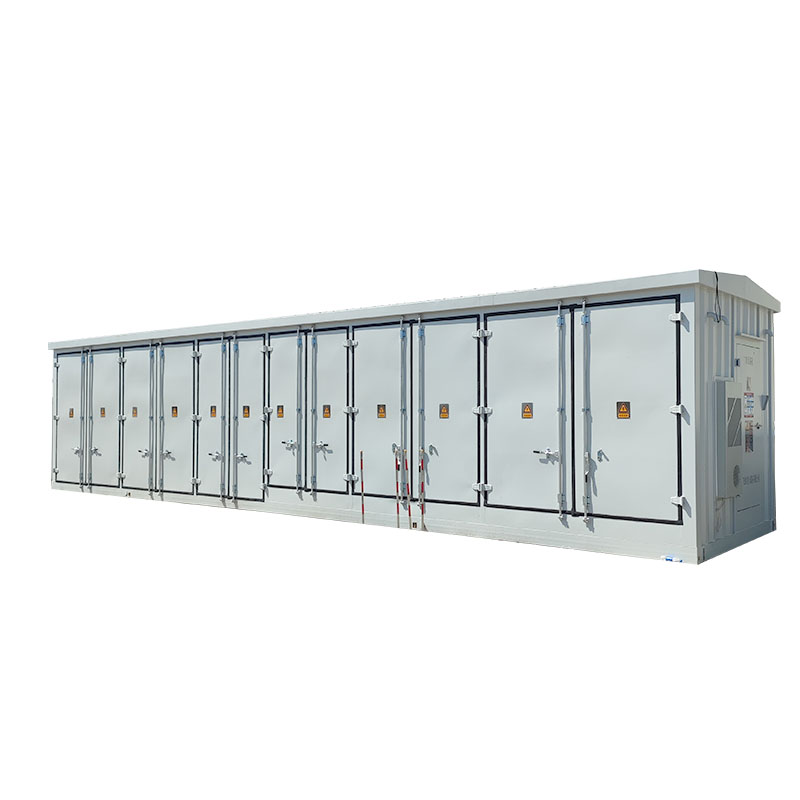
Why Every Electrical House Requires Project-Based Customization
Homes have different electrical needs depending on how rooms are laid out, what appliances they contain, and what tech might be added later. Generic electrical plans just don't cut it when considering things like those big power hungry circuits needed in kitchens, special outlets required for home offices, or the safety protections mandated in bathrooms. These oversights can lead to overloaded circuits and expensive fixes down the road. According to research published by the National Fire Protection Association last year, nearly half (that's 47%) of all residential electrical fires started because houses weren't wired properly for today's energy hungry lifestyles. Something worth thinking about for anyone building or renovating their home.
When planning electrical systems, customization upfront can save homeowners from major headaches down the road. Think about those EV charging points and smart home tech most people want these days. The Ponemon Institute found that trying to retrofit older panels later costs around $740k on average in 2023. That's why professional electricians always start with proper load calculations. They look at how much power different areas will need at their peak times, leave some extra capacity for big appliances like ovens or heat pumps, and make sure there are proper conduits in place for all that smart home wiring folks keep asking for nowadays.
Custom solutions help keep things up to NEC standards for those important systems. They get the right panel size sorted out (like choosing between 200A and 400A panels) and include proper AFCI protection where needed. Generic setups just don't cut it when dealing with real world buildings and their weird angles or tight spaces. Most folks end up adding big appliances like washers, dryers, or HVAC systems within about five years after moving in their new place. Energy Star reports this happens around 68% of the time. And let's face it, bad circuit planning causes problems for many homes. Independent safety checks show that roughly 31% of all residential power issues come down to people basically guessing at what circuits they need.
Key Customization Dimensions for an Electrical House
Load Planning by Space: Kitchen, Home Office, and Bathroom Power Demands
When customizing electrical systems for homes, proper load planning is really important because different rooms have different power needs. For kitchens specifically, we usually install 20 amp circuits just for the fridge, dishwasher, and induction range. And don't forget those GFCI protected outlets near countertops and sinks where water might be present. Home offices are another story entirely. They should get their own circuits with surge protection since people tend to plug in multiple devices at once - computers, monitors, printers, all sorts of stuff. The bathroom wiring has to follow strict NEC codes too. Outlets need to be GFCI protected if they're within three feet of any water source. Some folks also want separate 15 amp circuits for heated floors or towel warmers, which actually consume quite a bit of power on their own, around 1.5 kW when running. Good circuit mapping makes sure all these big power hungry appliances work properly without causing breaker trips when everyone is using them at the same time.
Future-Ready Infrastructure: EV Charging, Smart Home Pre-Wiring, and Data Cabling
Robust electrical house designs integrate tomorrow's technologies not as afterthoughts, but as foundational elements. EV charging stations require dedicated 240V circuits with 50-amp breakers; multi-vehicle homes may need a 400A service panel upgrade. Pre-wiring for smart systems includes:
- Conduit pathways for automated lighting, motorized shades, and security sensors
- CAT-6 or higher-rated data cabling installed in walls for whole-home Wi-Fi mesh networks
- Neutral wires included in every switch box to support modern smart switches and dimmers
Most experts in the field suggest keeping around 30 percent extra space in those conduit runs. This helps prevent having to tear open walls down the road when things get tight. When it comes to setting up structured data cables, going with central patch panels that have clearly marked ports makes all the difference. These setups offer much better flexibility and higher bandwidth connections. They cut down on how often we need those pesky wireless extenders that mess with signals so much. Plus they handle heavy duty stuff like 4K video streams without breaking a sweat. And let's face it, companies are relying more and more on remote workers these days, so good solid infrastructure is becoming absolutely essential.
Regulatory and Safety Foundations for Custom Electrical House Design
NEC Compliance, Panel Sizing (200A vs. 400A), and Circuit Zoning Logic
The National Electrical Code (NEC) provides the non-negotiable safety framework for every electrical house mandating fire-resistant materials, proper conductor spacing, and arc-fault mitigation strategies. Arc faults alone cause over 50% of residential electrical fires (NFPA, 2023), making NEC-compliant design not just regulatory but life-saving.
The size of an electrical panel really comes down to what the house needs to power. Most standard homes around 2,500 square feet work fine with a 200 amp panel when running typical appliances. But things change when someone adds an EV charger, installs a heat pump system, sets up shop in a home workshop, or goes all out with smart home tech. These additions usually require upgrading to a 400 amp service. Smart wiring practices matter too. Dividing circuits makes sense for areas that draw lots of power, such as kitchens and bathrooms, which should get their own dedicated breakers. Important stuff like medical devices or server racks need separate circuits as well. Avoiding those long chains of outlets connected together helps prevent problems if something fails somewhere along the line. Proper circuit organization keeps the electricity flowing smoothly even over longer distances and lets electricians shut off specific sections quickly when needed for repairs or safety reasons.
Modern custom designs incorporate dual-function AFCI/GFCI breakers per NEC 2023 Article 210. These devices reduce electrocution risk by 83% compared to legacy-only GFCI or AFCI protection demonstrating how code-aligned customization delivers measurable safety outcomes.
From Renovation to New Build: Adapting the Electrical House Strategy
When it comes to updating electrical systems, whether working on old buildings or starting fresh with new construction, completely different strategies are needed. For renovation jobs, there are plenty of challenges to deal with. Walls can be hard to get into, many older homes still have those outdated knob and tube wires or aluminum wiring that just won't handle modern electricity demands. Plus finding space for upgraded panels is often a real headache. The bottom line is these kinds of projects require careful checking of how much power everything actually needs. This becomes even more critical when someone wants to install things like induction cooktops or Level 2 electric vehicle charging stations. Without proper planning, circuits can get overloaded and people might resort to dangerous fixes instead of doing it right.
New constructions, by contrast, offer full architectural control: conduits can be embedded during framing, dedicated circuits allocated for emerging tech, and panel capacity right-sized from day one. While both scenarios require rigorous NEC compliance, new builds simplify adherence by eliminating legacy conflicts and enabling optimized infrastructure placement.
Critical considerations include:
- Structural Integration: Renovations often require creative routing around beams and joists; new builds embed pathways seamlessly into structural plans.
- Scalability: Pre-wiring for EV charging, solar-ready subpanels, or battery storage reduces future retrofit costs by 40–60% (National Electrical Contractors Association, 2023).
- Energy Mapping: New constructions allow intelligent circuit zoning grouping high-load kitchens separately from low-demand bedrooms to minimize voltage drop and maximize efficiency.
Ultimately, aligning your electrical house strategy with the project phase ensures safety, operational efficiency, and long-term adaptability whether modernizing a 1950s bungalow or constructing a net-zero residence.
FAQs
Why is customization important for electrical systems in homes?
Customization is crucial because homes have unique layouts, appliances, and tech needs. Generic plans can lead to overloaded circuits and costly fixes.
What are key factors to consider in electrical customization?
Key factors include load planning for different spaces, future-ready infrastructure, regulatory compliance, and adapting strategies for renovations and new builds.
How does NEC compliance impact residential safety?
NEC compliance provides a safety framework that reduces risks of electrical fires and electrocution, making designs more secure and reliable.
What's the difference between electrical strategies in renovations vs. new builds?
Renovations face challenges with existing structures, while new builds benefit from full architectural control, allowing for optimized infrastructure placement.