EN
EN
 AR
AR
 BG
BG
 HR
HR
 CS
CS
 DA
DA
 FR
FR
 DE
DE
 EL
EL
 HI
HI
 PL
PL
 PT
PT
 RU
RU
 ES
ES
 CA
CA
 TL
TL
 ID
ID
 SR
SR
 SK
SK
 SL
SL
 UK
UK
 VI
VI
 ET
ET
 HU
HU
 TH
TH
 MS
MS
 SW
SW
 GA
GA
 CY
CY
 HY
HY
 AZ
AZ
 UR
UR
 BN
BN
 LO
LO
 MN
MN
 NE
NE
 MY
MY
 KK
KK
 UZ
UZ
 KY
KY


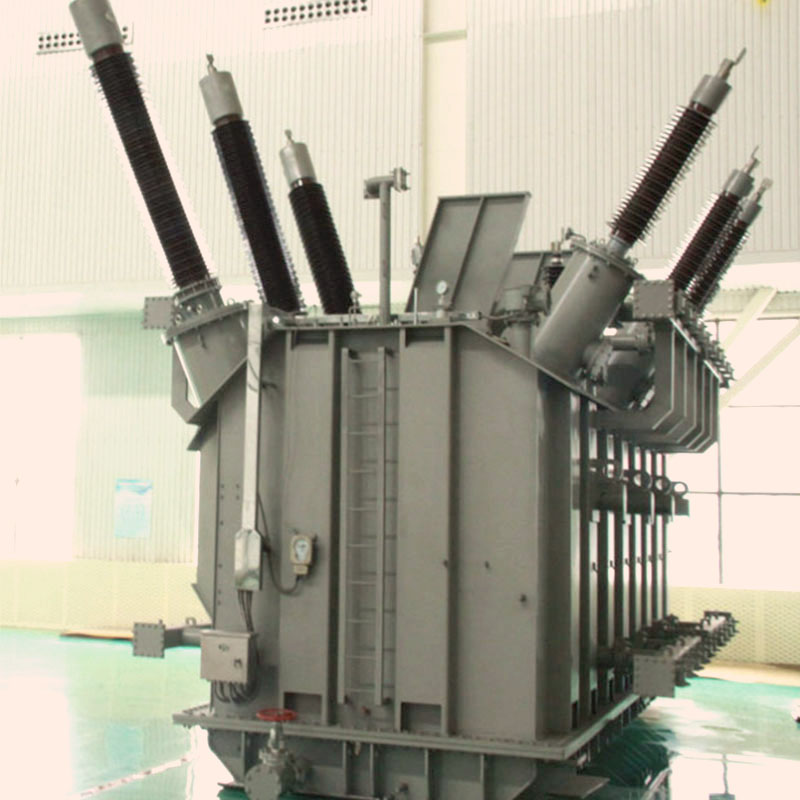
Matching Transformer Capacity to Distributed PV Generation
Sizing kVA rating based on inverter AC output, DC oversizing, and irradiance variability
Getting the right size transformer begins by looking at what the inverter can produce at maximum AC output, say around 100 kW. Most designs factor in DC oversizing ratios between 1.2x and 1.5x because solar installations often experience irradiance spikes beyond what standard tests predict. Take a typical setup with a 150 kWp DC array connected to a 100 kW inverter. A transformer rated at least 125 kVA makes sense here to handle those occasional clipping events when production temporarily exceeds capacity. Several factors matter technically speaking. First, check how long the inverter can handle overload conditions, usually about 110-120% for up to an hour. Then consider local weather patterns. Desert locations tend to have wild day-night irradiance changes compared to coastal areas where sunlight remains more consistent throughout the day. Don't forget about panel degradation either. Panels lose roughly half a percent efficiency each year, which actually helps reduce stress on equipment downstream as harmonics and heat build up less over time.
Thermal derating and load factor analysis for rooftop installations
The ambient temperatures on rooftops often go above 40 degrees Celsius, which cuts down transformer capacity by around 15 to 20 percent if nothing gets done about it. Most commercial photovoltaic systems run at less than 60% load factor anyway, so there's room for some smart downsizing when combined with good thermal management techniques. Forced air cooling works well, along with non-flammable insulation that meets IEEE C57.96 standards, plus regular temperature checks throughout operation. Site specifics matter a lot too. Transformers installed in enclosed spaces or areas with poor ventilation might need base ratings that are as much as 25% higher compared to those placed outdoors where airflow is better. Both ASHRAE and IEEE have published thermal modeling guidelines that support this approach.
Dry-Type vs. Oil-Immersed Transformers: Safety, Efficiency, and Site Suitability
Fire safety, ventilation, and indoor installation constraints for urban and commercial rooftops
For urban and commercial rooftop solar installations, dry type transformers have become the go to option thanks to their non flammable design features. These usually feature vacuum pressure impregnated epoxy resin windings that make them much safer than traditional oil filled models. Oil immersed systems come with all sorts of problems like flammable coolant, potential leaks, and require special infrastructure like explosion proof vaults, extra containment measures, plus proper ventilation systems. Dry types can be installed right inside buildings themselves in places where space is tight and safety regulations matter most, think elevator shafts, parking garages, or shared rooftops across multiple tenants. Cities such as New York and Tokyo now specifically mention dry type transformers in their latest fire codes when it comes to these kinds of installations because they tend to put themselves out if something goes wrong during operation.
Efficiency compliance (DOE 2016, IEC 60076-20) and lifecycle cost implications
Today's dry type transformers are hitting those key efficiency standards set by regulations like DOE 2016 and IEC 60076-20 for harmonic tolerance. Some of the best models actually reach around 99.3% efficiency when operating between 500 and 2500 kVA capacities. Back in the day, oil immersed transformers had that slight advantage at maximum load efficiency. But now dry types make more sense economically over time especially for solar power installations spread across different locations. These systems don't need all that regular maintenance work associated with oil testing, filtering, or dealing with dangerous fluids that must be disposed of properly. Over about 25 years, this saves companies roughly 20 to maybe even 30 percent on running costs, even though they typically cost about 15% more upfront. The bottom line is better returns on investment and much easier asset management down the road.
Ensuring Grid Compliance with Harmonic-Rated Transformers
Meeting IEEE 1547-2018 THD limits using K-factor and harmonic-mitigating transformer designs
The power generated by inverters in solar systems creates harmonic distortions that often exceed the 5% total harmonic distortion (THD) voltage limit set by IEEE 1547-2018 at connection points. To tackle this issue, special transformers called harmonic mitigators use winding arrangements shifted in phase to eliminate major harmonics like the fifth and seventh order ones. Meanwhile, transformers rated for K-factors ranging from K4 to K20 are built specifically to handle heat caused by harmonics without damaging their insulation layers. These aren't your typical transformers though. Regular models tend to age much faster when dealing with non-linear loads, but these specialized versions keep things cool and compliant even during normal solar operations. Thermal imaging done in actual installations shows these optimized transformers stay around 15 degrees Celsius cooler than regular ones facing similar distorted loads. This temperature difference means longer lifespan for equipment and fewer problems at connection points in real world conditions.
Future-Proofing with Smart Monitoring and Predictive Maintenance Capabilities
SCADA integration, temperature and partial discharge monitoring for transformer reliability
When transformers get connected to SCADA systems, operators can monitor how they're performing in real time right from a central location across all those spread out solar panel arrays. Temperature sensors built into various parts like windings, cores, and for oil filled units also inside their oil compartments spot strange heat patterns long before things start getting dangerously hot. Another important tool is PD monitoring which picks up those high frequency current spikes that signal early signs of insulation problems something regular tests might miss completely. These combined features change how maintenance works entirely moving away from sticking strictly to scheduled checkups towards fixing issues only when needed. Field work by groups like EPRI and NREL shows this approach cuts unexpected shutdowns by around 40 percent. All this data collection creates an environment where companies can predict equipment life better, manage spare parts stock more efficiently, and plan investments strategically making transformer maintenance not just reactive but actually something that builds system reliability over time.
FAQ
What is the importance of DC oversizing in solar installations?
DC oversizing allows solar installations to handle irradiance spikes that go beyond what standard tests predict, ensuring transformers can accommodate temporary overloads without significant efficiency losses.
Are dry-type transformers more advantageous than oil-immersed transformers for rooftop installations?
Yes, dry-type transformers are often more suitable for rooftop installations due to their non-flammable design, safety in indoor locations, and compliance with modern fire codes.
How can utilities ensure grid compliance with solar-generated harmonics?
Utilities can use harmonic mitigating transformers and those rated for specific K-factors to manage harmonics and maintain grid compliance according to IEEE standards.
What role does SCADA integration play in transformer maintenance?
SCADA systems allow for real-time performance monitoring, helping detect potential issues early, thus enabling predictive maintenance and reducing unexpected shutdowns.
Table of Contents
- Matching Transformer Capacity to Distributed PV Generation
- Dry-Type vs. Oil-Immersed Transformers: Safety, Efficiency, and Site Suitability
- Ensuring Grid Compliance with Harmonic-Rated Transformers
- Future-Proofing with Smart Monitoring and Predictive Maintenance Capabilities
-
FAQ
- What is the importance of DC oversizing in solar installations?
- Are dry-type transformers more advantageous than oil-immersed transformers for rooftop installations?
- How can utilities ensure grid compliance with solar-generated harmonics?
- What role does SCADA integration play in transformer maintenance?