EN
EN
 AR
AR
 BG
BG
 HR
HR
 CS
CS
 DA
DA
 FR
FR
 DE
DE
 EL
EL
 HI
HI
 PL
PL
 PT
PT
 RU
RU
 ES
ES
 CA
CA
 TL
TL
 ID
ID
 SR
SR
 SK
SK
 SL
SL
 UK
UK
 VI
VI
 ET
ET
 HU
HU
 TH
TH
 MS
MS
 SW
SW
 GA
GA
 CY
CY
 HY
HY
 AZ
AZ
 UR
UR
 BN
BN
 LO
LO
 MN
MN
 NE
NE
 MY
MY
 KK
KK
 UZ
UZ
 KY
KY


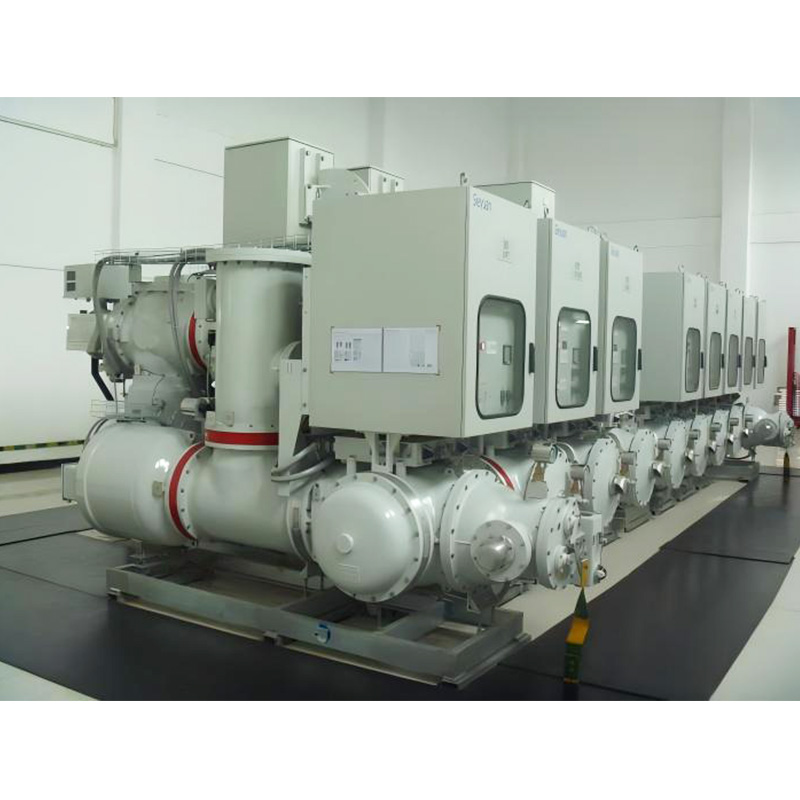
GIS Commissioning: Foundational Verification for Long-Term Reliability
Pre-commissioning Inspections and Post-commissioning Validation Protocols
Before turning on GIS equipment, it's important to do pre-commissioning checks to set the foundation for proper operation. During these inspections, techs look at how everything was assembled, check if things are clean enough, make sure bolts are tightened correctly, test whether grounds are working properly, and confirm they're following all the right procedures for handling SF6 gas. After commissioning, there's another round of testing where control circuits get checked, along with safety interlocks and alarm systems to see if they work when needed. Going through both these stages helps ensure everything meets what the manufacturer expects and follows the IEC 62271-203 standards for installations, which stops problems from happening too soon. A recent study from 2023 showed that companies which followed good validation processes saw their GIS failure rates drop by almost 40% right after startup. Keeping detailed records throughout both inspection phases gives organizations solid documentation that makes life easier later on for maintenance crews and regulators who need to review operations down the road.
Critical GIS Commissioning Tests: Tightness, Dew Point, Contact Resistance, and AC/DC Withstand
Four essential tests confirm dielectric and mechanical stability during GIS commissioning:
- Tightness testing detects SF6 leaks using tracer gas or pressure decay methods, verifying compliance with the 0.5%/year leakage limit specified in IEC 62271-203
- Dew point analysis measures moisture content in SF6 gas, ensuring levels remain below -5°C to prevent hydrolysis-induced insulation breakdown
- Contact resistance measurements verify switchgear integrity using micro-ohm meters; deviations >20% from baseline indicate loose, corroded, or contaminated connections
- AC/DC withstand tests apply elevated voltages to assess insulation strength and expose microscopic defects—AC test levels are typically set at 80% of factory values for on-site validation
These diagnostics form a comprehensive assessment matrix. Utilities prioritizing this standardized test sequence experience 27% fewer unplanned outages in the first five years of operation.
SF6 Gas Management: Preserving Dielectric Integrity in GIS
Continuous SF6 pressure and moisture monitoring to prevent insulation failure
Keeping SF6 gas pressure at optimal levels is absolutely essential for proper GIS dielectric function. When pressures fall below what manufacturers specify, dielectric strength can drop as much as 30% according to IEC standards, which makes flashovers far more likely. Another big problem comes from moisture getting into the system. Once humidity passes 200 ppm mark, those pesky arc byproducts start creating hydrogen fluoride (HF), something really corrosive that eats away at insulation materials over time. That's why many facilities now rely on digital sensors with around 1% accuracy for constant monitoring. These systems let operators jump in early before anything goes wrong, saving companies from expensive downtime. The numbers tell the story too - unexpected outages hit critical infrastructure pockets for about $150,000 every single hour according to recent industry reports.
Leak detection methods and best practices for sealed GIS compartment integrity
Annual SF6 leak rates exceeding 0.5% require immediate investigation under EPA regulations. Advanced GIS designs incorporate multi-tier detection:
- Ultrasonic sensors pinpoint leaks >0.1 mL/min
- IR imaging identifies faulty seals in complex assemblies
- Tracer gas methods (e.g., helium or SF6 mixtures) validate micro-leaks
Rigorous post-installation pressure decay tests—sustaining 500 kPa for 24 hours with <1% loss—establish baseline integrity. Proactive leak management combined with dual-sealing flange technology reduces leakage-related failures by 89% versus reactive approaches (EPRI Grid Resilience Study).
Condition-Based Monitoring: Proactive GIS Reliability Assurance
Implementing partial discharge (PD) detection as a core GIS health indicator
Partial discharge monitoring is basically the first line of defense for predicting problems in gas insulated switchgear. It catches those tiny electrical sparks that happen right before insulation breaks down completely. We measure these signals using either UHF sensors or TEV methods, which can spot issues like air pockets, dirt buildup, or damaged conductors inside the SF6 chambers. Finding partial discharges early means we can fix specific problems rather than waiting for a total system failure. Companies that include PD monitoring in their regular maintenance routines typically see around 85% fewer unexpected shutdowns. Modern continuous monitoring systems keep tabs on how strong the discharges are, look at patterns across different phases, and count how often pulses occur. All this data helps pinpoint exactly where problems are happening and how serious they really are.
Integrating insulation monitoring and trending analytics into GIS maintenance
When we look at real time SF6 gas quality measurements alongside past performance records, it helps build a system for predicting when GIS equipment might need attention. Checking dielectric strength involves looking at several factors together: keeping an eye on moisture levels below 150 parts per million, verifying how pure the gas remains, and watching for any signs of leaks over time. These advanced data systems now use machine learning techniques to spot small changes happening gradually, like when moisture content creeps up by half a percent each month. Such observations trigger warnings automatically before things get too bad. Instead of sticking strictly to scheduled maintenance dates, this method lets companies fix problems only when they actually need to. It saves money on unnecessary work while still maintaining pretty impressive reliability rates above 99.5 percent most of the time.
Mechanical and Electrical Integrity: Supporting Systems for GIS Stability
The mechanical and electrical support systems behind GIS operations are absolutely essential for keeping everything running smoothly. When foundations aren't properly designed, they can cause structural stress that might damage those crucial gas tight seals. And let's not forget about seismic bracing either, which keeps components aligned even when there's ground movement happening underneath. This becomes especially important in areas where earthquakes are common. For the electrical side of things, good grounding systems matter a lot because they need to handle fault currents safely. According to a recent EPRI report from 2023, around one out of every five GIS failures actually traces back to problems with grounding. Then there are all the auxiliary systems like temperature controlled enclosures and materials that resist corrosion, which help protect equipment from environmental wear and tear over time. By constantly checking bolt torque values and busbar connections through IoT sensors, technicians can spot potential issues before they become big problems. This approach cuts down on failures by roughly 40% compared to just doing regular scheduled checks. All these mechanical and electrical safeguards work together to prevent those nasty cascading failures we see sometimes in our most important infrastructure projects.
FAQ
What is involved in GIS pre-commissioning inspections?
GIS pre-commissioning inspections involve verifying assembly, cleanliness, bolt tightness, ground testing, and proper SF6 gas handling to ensure proper operation.
How do condition-based monitoring systems work in GIS maintenance?
Condition-based monitoring systems analyze real-time SF6 gas quality and historical performance data to predict when GIS equipment needs maintenance, saving costs and increasing reliability.
Why is moisture monitoring important in GIS systems?
Moisture monitoring is crucial as high humidity can lead to hydrolysis-induced insulation breakdown and corrosion, affecting GIS reliability.
What are the main tests conducted during GIS commissioning?
Main GIS commissioning tests include tightness testing, dew point analysis, contact resistance measurement, and AC/DC withstand tests to ensure dielectric and mechanical stability.