EN
EN
 AR
AR
 BG
BG
 HR
HR
 CS
CS
 DA
DA
 FR
FR
 DE
DE
 EL
EL
 HI
HI
 PL
PL
 PT
PT
 RU
RU
 ES
ES
 CA
CA
 TL
TL
 ID
ID
 SR
SR
 SK
SK
 SL
SL
 UK
UK
 VI
VI
 ET
ET
 HU
HU
 TH
TH
 MS
MS
 SW
SW
 GA
GA
 CY
CY
 HY
HY
 AZ
AZ
 UR
UR
 BN
BN
 LO
LO
 MN
MN
 NE
NE
 MY
MY
 KK
KK
 UZ
UZ
 KY
KY


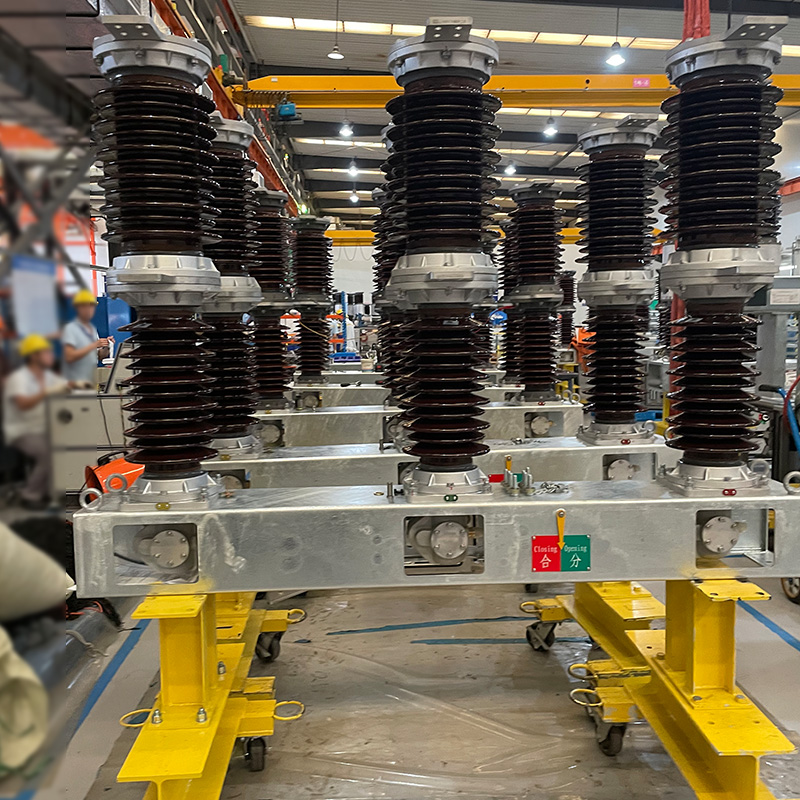
Unmatched Dielectric Strength and Arc-Quenching Performance
How SF6's Electronegativity Enables Rapid Arc Extinction
Sulfur hexafluoride gas has this amazing property called electronegativity where its molecules grab onto free electrons when arcs form. What happens next is pretty impressive - it clears out those plasma channels so fast that arcs get put out 3 to 5 times quicker than with regular air or oil systems according to IEEE research from last year. When dealing with really big fault currents over 50 kiloamperes, these SF6 breakers can stop arcs within just 8 to 15 milliseconds. That kind of speed makes all the difference for keeping high voltage transmission lines safe at voltages above 400 kV. Another great thing about SF6 is how stable its molecules stay even after thousands of operations. We've seen field tests show that substations using SF6 equipment experience about 40 percent less downtime compared to vacuum systems as noted in a recent CIGRE study on electrical infrastructure reliability.
SF6 vs. Air, Oil, and Vacuum: Fault Current Interruption Benchmarks
Independent testing confirms SF6's dominance in high-voltage interruption:
| Medium | Max Interruption Time (ms) | Dielectric Strength (vs. Air) | Maintenance Frequency |
|---|---|---|---|
| SF6 | 15 | 3 | 10-15 years |
| Air | 60 | 1 | 2-3 years |
| Oil | 45 | 1.5 | 3-5 years |
| Vacuum | 25 | 2 | 7-10 years |
Source: High-Voltage Interruption Report (EPRI 2024)
At 245 kV, SF6 handles 63 kA fault currents with 98.7% reliability—outperforming oil breakers by 12% under peak load. This stems from its pressure-independent arc-quenching efficiency, which remains effective from -40°C to 80°C. As a result, 92% of new 300 kV+ substations deploy SF6-based Gas-Insulated Switchgear (GIS) for space-constrained installations (Global Transmission Data 2023).
Compact Design and GIS Integration Enabled by SF6 Insulation
3-Air's Dielectric Strength: Reducing Substation Footprint and Cost
Sulfur hexafluoride (SF6) offers about three times the dielectric strength compared to regular air, which means high voltage equipment can actually work in much smaller spaces. When we look at substations specifically, they can be made 90% smaller than those using air insulation. This makes a huge difference in land costs and helps get projects going faster in crowded city environments where space is at a premium. Take SF6 circuit breakers as an example these days they fit right into modular enclosures that save around 40% on civil engineering work all while keeping the same voltage ratings as before. Less materials needed plus easier site prep really speeds things up for construction teams. And best of all, none of this comes at the expense of system reliability either.
Role of SF6 Circuit Breakers in Gas-Insulated Switchgear (GIS)
SF6 circuit breakers are basically what makes Gas-Insulated Switchgear (GIS) work so well. These devices can quickly put out electrical arcs and provide strong insulation, which is why they're so reliable in tight spaces like underground stations and offshore oil rigs. The breakers sit inside sealed chambers filled with pressurized SF6 gas. Because of this setup, they need very little maintenance compared to traditional air-based systems. Most operators find they don't have to check them as often since the seals keep contaminants out. When installed properly, GIS systems tend to fail less frequently even when exposed to pollution or moisture. This reliability matters a lot in cities where power outages could cause major problems, helping to maintain stable electricity supply and making the overall power grid much more resilient against disruptions.
Proven Reliability and Extended Service Life in HV Networks
Field Evidence: 30+ Year MTBF for SF6 Circuit Breakers at 400 kV and Above
Field data from around the world indicates that SF6 circuit breakers typically last well over 30 years before experiencing any kind of failure in those important 400 kV plus applications. Why do they last so long? Well, it has everything to do with SF6 being chemically inert. This property stops contacts from wearing down and keeps the arc quenching working properly even after many years of operation. When compared to other options that need parts replaced regularly, SF6 equipment only fails about 25 percent of the time after 35 years on site. That means maintenance bills drop significantly too, sometimes cutting costs by nearly two thirds when compared against vacuum or air blast systems. Power companies have reported something remarkable too: their SF6 gear stays running at almost 99.98 percent uptime no matter where it's installed. Think about this working flawlessly in places like freezing Arctic substations or scorching hot deserts. For anyone dealing with high voltage infrastructure where things can't just stop working, SF6 remains the go to solution despite all the newer alternatives out there.
Low Maintenance and Climate-Resilient Operation
SF6 circuit breakers stand out for their long life in tough environments thanks to the sealed gas system and few moving parts. These designs cut down on maintenance needs by around 40% when compared to traditional oil-based systems. The hermetically sealed construction keeps dielectric properties stable through extreme temperatures ranging from minus 40 degrees Celsius all the way up to plus 40, which makes them work great both in freezing Arctic conditions and scorching deserts. Regular air-break circuits have problems absorbing moisture, something that causes failures in places with high humidity or near coasts. But SF6 stays reliable even when it rains cats and dogs during monsoons. Real world testing shows these breakers only drift about half a percent off spec after spending a decade under harsh sunlight and surrounded by industrial pollution. That kind of reliability explains why they're so popular on offshore drilling rigs and busy city power grids. Plus, since there are no flammable parts inside, there's no risk of fires during electrical faults. And those special enclosures resist corrosion from salty air without needing extra protection layers either.
FAQ
What is the significance of SF6's electronegativity in arc extinction?
SF6's electronegativity enables it to capture free electrons during arc formation, facilitating rapid arc quenching by clearing plasma channels 3 to 5 times faster than air or oil systems.
How does SF6 compare with other mediums in fault current interruption?
SF6 offers superior arc-quenching performance with a maximum interruption time of 15 ms, and requires lower maintenance compared to air, oil, and vacuum mediums.
What advantages does SF6 provide in GIS substations?
SF6 offers significantly higher dielectric strength than air, allowing substations to reduce their footprint by up to 90%, thus saving land costs and facilitating faster project execution.
How durable are SF6 circuit breakers in harsh environments?
SF6 circuit breakers are highly durable and climate-resilient due to their sealed gas system, operating reliably across extreme temperatures and resisting corrosion without needing additional protection.