EN
EN
 AR
AR
 BG
BG
 HR
HR
 CS
CS
 DA
DA
 FR
FR
 DE
DE
 EL
EL
 HI
HI
 PL
PL
 PT
PT
 RU
RU
 ES
ES
 CA
CA
 TL
TL
 ID
ID
 SR
SR
 SK
SK
 SL
SL
 UK
UK
 VI
VI
 ET
ET
 HU
HU
 TH
TH
 MS
MS
 SW
SW
 GA
GA
 CY
CY
 HY
HY
 AZ
AZ
 UR
UR
 BN
BN
 LO
LO
 MN
MN
 NE
NE
 MY
MY
 KK
KK
 UZ
UZ
 KY
KY


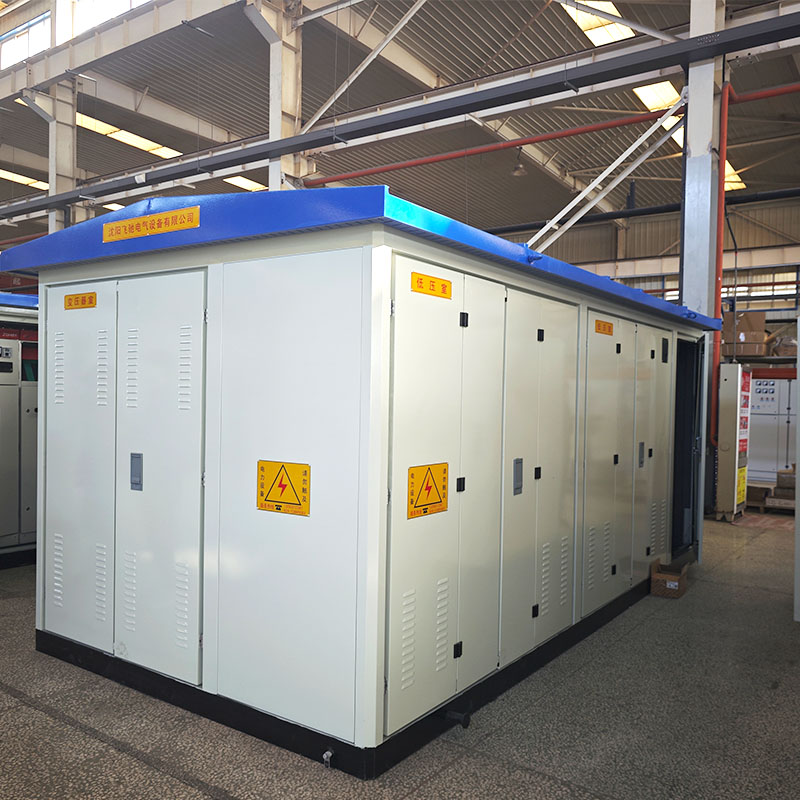
Core Protective Equipment: Ensuring Safety and Reliability in Every Substation
Circuit Breakers — High-Integrity Fault Interruption for Substation Protection
Circuit breakers serve as the primary protection against electrical faults, like short circuits, quickly cutting off faulty sections before serious damage occurs or outages spread throughout the system. Today's vacuum and sulfur hexafluoride breakers can interrupt current flow in just a few milliseconds, working effectively even with transmission voltages going beyond 245 kilovolts. Proper installation and regular maintenance makes all the difference, with studies showing these modern systems cut down on fire risks by around 70 percent when compared to older technology according to industry data from last year.
Surge Arresters and Transient Voltage Protection for Substation Resilience
Surge arresters act as protective barriers for transformers, switchgear equipment, and various control systems when they face threats from lightning strikes or those sudden voltage spikes during switching operations. These devices work by channeling away any extra voltage that builds up and sending it harmlessly into the ground instead. The newer metal oxide varistor technology, often called MOV, actually works better at containing these voltage surges compared to the older gap type models that used to be standard. When installed correctly, MOV arresters can cut down on overvoltage issues by nearly 90 percent. This makes a big difference in reducing failures across electrical infrastructure. For areas prone to frequent lightning storms, this protection is even more critical since transient events cause about one third of all substation power interruptions there.
Earthing and Grounding Systems — Foundational Safety for Substation Personnel and Assets
Grounding grids with low impedance (usually below 1 ohm) help direct fault currents safely into the ground, which gets rid of dangerous step and touch voltages that could harm people nearby. When using copper bonded rods along with mesh conductors, we see better voltage spread across the system when faults occur. This setup cuts down on corrosion problems and minimizes those annoying electromagnetic interferences too. Field tests show that proper grounding can cut equipment failures somewhere around two thirds compared to systems without it. Plus, regular resistance checks keep things compliant with IEEE 80 standards for worker protection requirements.
Power Flow Control Infrastructure: Busbars, Switchgear, and Reactive Power Management
Busbar Configurations and Isolating Switches for Flexible, Safe Substation Operation
At the heart of every substation lies the busbar system, acting like electrical highways that connect transformers, circuit breakers, and various feeder lines throughout the facility. Modern installations often use aluminum or copper busbars which significantly cut down on energy loss compared to older models. These materials can actually reduce wasted energy by around 15%, making them much more efficient for power distribution. When it comes to safety during maintenance work, isolating switches play a critical role. They create a physical barrier that prevents dangerous arc flashes, something that typically costs companies well over seven hundred forty thousand dollars in damaged equipment each time it happens according to recent data from NFPA in 2023. There are several standard ways these systems get set up depending on specific needs and space constraints within the substation.
- Double-bus systems: Enable uninterrupted operation during feeder maintenance
- Ring bus layouts: Localize fault impact and maintain service continuity
- Gas-insulated busbars (GIB): Deliver compact, high-reliability performance in space-constrained or harsh-environment sites
All support operational flexibility while meeting IEEE C37.20.2 safety requirements.
Capacitor Banks and Reactors — Optimizing Voltage Stability in the Substation
When voltage levels drift outside the safe range of plus or minus 5 percent, it puts the entire electrical grid at risk and could lead to those dreaded cascading failures we all want to avoid. Capacitor banks step in during high demand periods by pumping reactive power into the system when voltages drop too low. Meanwhile, reactors come into play during lighter load times, soaking up any extra reactive power that might otherwise cause problems. These components work together pretty well when placed correctly across the network, pushing power factor readings above 0.95 in around 9 out of 10 contemporary substations. This not only keeps the utilities from slapping on costly penalties but also eases the heat buildup inside transformers. According to industry reports, this kind of smart compensation actually adds between eight and twelve extra years to the life expectancy of transformers and cables throughout the distribution network.
Digital Intelligence Layer: Smart Substation Equipment and Grid Integration
IEDs, PMUs, and SCADA Integration — Enabling Real-Time Substation Monitoring and Control
Digital intelligence layers made up of Intelligent Electronic Devices (IEDs), Phasor Measurement Units (PMUs), and SCADA systems are turning substations into smart, data responsive hubs. The IEDs watch over real time metrics and can handle protection tasks on their own. PMUs spot problems in the grid down to the microsecond level, while SCADA collects all this information and shows operators what's going on across the whole system. When it comes to making sure everything works together, the IEC 61850 standard plays a big role. Industry reports from 2024 suggest this cuts down integration work by around 40%. Put all these tech components together and they make possible things like predictive maintenance which cuts unexpected outages by about 30%. They also help manage loads better, respond faster when faults happen, and connect smoothly with broader grid control systems across large areas.
Frequently Asked Questions
What are the primary purposes of circuit breakers in substations?
Circuit breakers in substations serve to protect electrical systems from faults like short circuits, quickly isolating faulty sections to prevent damage and outages.
How do surge arresters improve substation resilience?
Surge arresters protect against voltage spikes and lightning strikes by channeling excess voltage harmlessly into the ground, thus reducing overvoltage issues and electrical infrastructure failures.
What is the role of earthing and grounding systems in substations?
Earthing and grounding systems help safely direct fault currents into the ground, protect personnel and equipment, reduce corrosion, and minimize electromagnetic interference.
Why are busbars significant in substations?
Busbars enable efficient electrical connection and power distribution within substations, reducing energy loss and maintaining system safety during maintenance.
How do capacitor banks and reactors optimize substation voltage stability?
Capacitor banks inject reactive power into the system during high demand, while reactors absorb excess during low demand, preventing voltage drifts and extending the lifespan of transformers and cables.
How does the digital intelligence layer benefit substations?
The digital intelligence layer monitors real-time data, facilitates predictive maintenance, improves load management, and integrates with broader grid systems to enhance substation efficiency and reliability.
Table of Contents
- Core Protective Equipment: Ensuring Safety and Reliability in Every Substation
- Power Flow Control Infrastructure: Busbars, Switchgear, and Reactive Power Management
- Digital Intelligence Layer: Smart Substation Equipment and Grid Integration
-
Frequently Asked Questions
- What are the primary purposes of circuit breakers in substations?
- How do surge arresters improve substation resilience?
- What is the role of earthing and grounding systems in substations?
- Why are busbars significant in substations?
- How do capacitor banks and reactors optimize substation voltage stability?
- How does the digital intelligence layer benefit substations?