EN
EN
 AR
AR
 BG
BG
 HR
HR
 CS
CS
 DA
DA
 FR
FR
 DE
DE
 EL
EL
 HI
HI
 PL
PL
 PT
PT
 RU
RU
 ES
ES
 CA
CA
 TL
TL
 ID
ID
 SR
SR
 SK
SK
 SL
SL
 UK
UK
 VI
VI
 ET
ET
 HU
HU
 TH
TH
 MS
MS
 SW
SW
 GA
GA
 CY
CY
 HY
HY
 AZ
AZ
 UR
UR
 BN
BN
 LO
LO
 MN
MN
 NE
NE
 MY
MY
 KK
KK
 UZ
UZ
 KY
KY


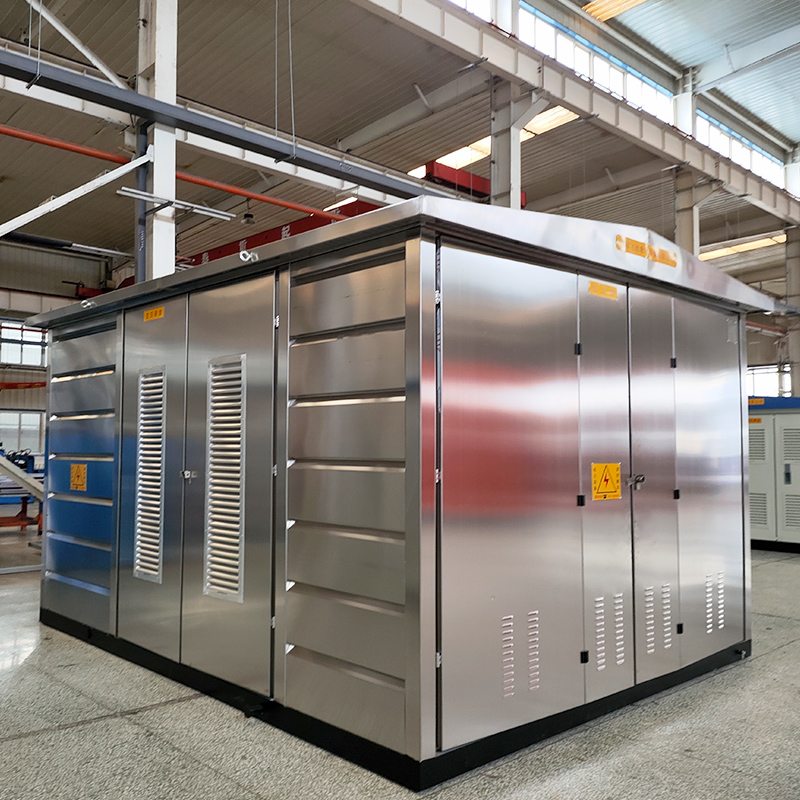
Upgrade Aging Substation Equipment for Efficiency Gains
Identify high-loss legacy assets: Transformers, switchgear, and reactors contributing to 12–18% parasitic losses
Older substations tend to have all sorts of outdated gear like transformers, switchgear, and reactors that just eat up energy. These old components actually waste around 12 to 18 percent of what the whole substation consumes, especially when they're sitting idle doing nothing. Transformers with worn out cores lose more power because of magnetization issues and those pesky eddy currents. Switchgear gets worse over time too as contacts build up resistance which creates heat problems. Reactors aren't efficient either since their magnetic fields don't couple properly anymore. To catch these issues before they get bad, technicians typically use thermal cameras to spot hot areas, run tests for partial discharges to check insulation condition, and install accurate meters to measure exactly how much is being lost. Going through this kind of inspection process helps maintenance teams figure out which pieces need attention first. This way they can fix the biggest culprits without having to replace everything at once, saving money while cutting down on wasted electricity.
Prioritize high-impact retrofits: Amorphous metal transformers and vacuum circuit breakers cut no-load and switching losses significantly
Focus retrofit efforts on areas that give the biggest bang for the buck when it comes to efficiency improvements. Two standout options are amorphous metal transformers and vacuum circuit breakers. The amorphous ones work differently because their cores are made from non-crystalline alloys instead of regular steel. This design cuts down on those annoying no-load losses by about two thirds compared to traditional models, which means less wasted energy when systems aren't actively running. Vacuum circuit breakers are another game changer since they ditch air or oil for stopping electrical arcs during switching operations. They interrupt current flow much quicker and cleaner, slashing switching losses by around 40%. When deciding where to invest, look at load patterns and do some basic cost calculations first. Take primary substation transformers for instance – replacing these old units often results in saving over ten grand per year in energy costs alone. Beyond just making things more efficient, these upgrades tend to last longer between replacements, need fewer tune-ups, and help utilities meet their green targets by simply reducing how much power substations consume when sitting idle.
Implement Condition-Based Maintenance to Minimize Substation Energy Waste
Replace time-based schedules with sensor-driven monitoring: Thermal imaging, partial discharge, and DGA extend equipment life and reduce idle losses by up to 22%
Moving away from scheduled maintenance toward condition-based monitoring cuts down on wasted energy and makes assets last longer. Thermal imaging keeps an eye on transformers for unusual heat buildup before things get out of hand. Partial discharge sensors catch problems with insulation in switchgear and bushings right at the start. Then there's Dissolved Gas Analysis or DGA that watches oil-filled equipment for early warning signs like arcing, overheating, or corona effects by looking at gases such as hydrogen, methane, and ethylene. When these sensors detect issues crossing certain thresholds, maintenance happens only when needed. Equipment tends to stay in service about 15 to 20 years longer this way. The savings add up too. Facilities can cut parasitic idle losses by around 22%, which means their systems run more efficiently even when parts start failing. According to a 2023 study from the Ponemon Institute, this translates to roughly $740,000 saved each year just on energy costs alone.
Standardize critical tests: Annual contact resistance and SF6 purity verification prevent 7.4% average load loss escalation
Regular annual checks make all the difference when it comes to energy efficiency in electrical systems. The two most important tests are measuring contact resistance in circuit breakers and checking SF6 gas purity levels in gas insulated switchgear. When contact resistance goes up due to things like oxidation, misalignment issues, or simple wear and tear, it leads to those annoying I squared R losses. Just a 10% increase can cost around 3.2 million watt hours wasted every year for each breaker. On the other hand, if SF6 gas falls below that magic 99% purity mark, the dielectric strength drops significantly. This means arc quenching requires up to 40% more energy, which pushes operating voltages higher and creates bigger reactive losses across the system. Making these tests mandatory and keeping records helps avoid that typical 7.4% jump in technical losses we see at substations without proper monitoring. Fixing problems early saves money too. Over five years, sites can lose well over $220k worth of wasted energy otherwise. Plus, maintaining good voltage regulation margins becomes much easier, something absolutely critical for keeping the whole power grid stable during peak demand periods.
Deploy Smart Substation Automation for Real-Time Energy Optimization
Modernize control systems: IEC 61850-compliant edge controllers enable dynamic reactive power optimization (+27% efficiency)
Old school substation controls rely on fixed capacitor bank settings and laggy tap changers, which leads to constant problems with reactive power when loads fluctuate. When we upgrade to those IEC 61850 compliant edge controllers, things change completely because they can make decisions almost instantly right at the source. These modern devices pull in live data about voltage levels, current flow, and temperatures to tweak the reactive compensation as needed. They basically switch capacitors on and off and adjust transformer taps based on what's actually happening in real time. In practice, field tests have shown around 27 percent fewer losses from reactive power compared to older static systems, plus better voltage control within just +/- 1.5% instead of the wider +/- 3% range. What makes this so valuable? It stops relays from doing unnecessary work when there are voltage dips or spikes, and prevents costly transmission congestion issues especially during those busy peak hours. Look at any regional grid assessment and it becomes clear that systems left untouched face serious risks with technical losses potentially reaching 15%.
Integrate AI-driven analytics: Predictive fault detection reduces energy-dumping events and unplanned outages by 31% (IEEE PES 2024)
Traditional SCADA systems just aren't up to the task when it comes to spotting those slow moving problems that eventually cause equipment failures. This often results in emergency shutdowns and what's called energy dumping, where power plants have to cut back production just to keep everything balanced on the grid. The new AI analytics tools combine all sorts of information sources including past performance records, real time temperature measurements, partial discharge signals, and even local weather conditions. These systems can pick up on warning signs related to things like damaged windings, moisture getting into bushings, or oil breakdown in transformers. The machine learning algorithms catch issues about two to three weeks ahead of actual failure points, giving operators time to fix problems before they become crises. According to research published last year by the IEEE Power & Energy Society, these advanced systems cut down on energy dumping events and unexpected outages by around 31 percent. At a typical 500 megawatt substation setup, this means recovering approximately five gigawatt hours each year while avoiding costly grid balancing fines. Getting in there early also saves money in the long run since transformers need replacement roughly 4 years later than they would otherwise because operators can address hot spots and other defects before they get bad enough to require full replacements.
FAQ
Q: What are parasitic losses in substations?
A: Parasitic losses refer to energy lost through inefficient equipment when substations are idle. Legacy equipment can contribute up to 18% of these losses.
Q: Why are amorphous metal transformers more efficient?
A: Amorphous metal transformers have cores made from non-crystalline alloys, reducing no-load losses by about two-thirds compared to traditional models.
Q: How does AI-driven analytics benefit substations?
A: AI-driven analytics help in predictive fault detection, reducing unplanned outages and energy-dumping events by detecting issues weeks in advance, preventing crises.