EN
EN
 AR
AR
 BG
BG
 HR
HR
 CS
CS
 DA
DA
 FR
FR
 DE
DE
 EL
EL
 HI
HI
 PL
PL
 PT
PT
 RU
RU
 ES
ES
 CA
CA
 TL
TL
 ID
ID
 SR
SR
 SK
SK
 SL
SL
 UK
UK
 VI
VI
 ET
ET
 HU
HU
 TH
TH
 MS
MS
 SW
SW
 GA
GA
 CY
CY
 HY
HY
 AZ
AZ
 UR
UR
 BN
BN
 LO
LO
 MN
MN
 NE
NE
 MY
MY
 KK
KK
 UZ
UZ
 KY
KY


Pre-Operational Safety Protocols for Switchgear
Verifying Isolation, Earthing, and De-Energised Status Before Access
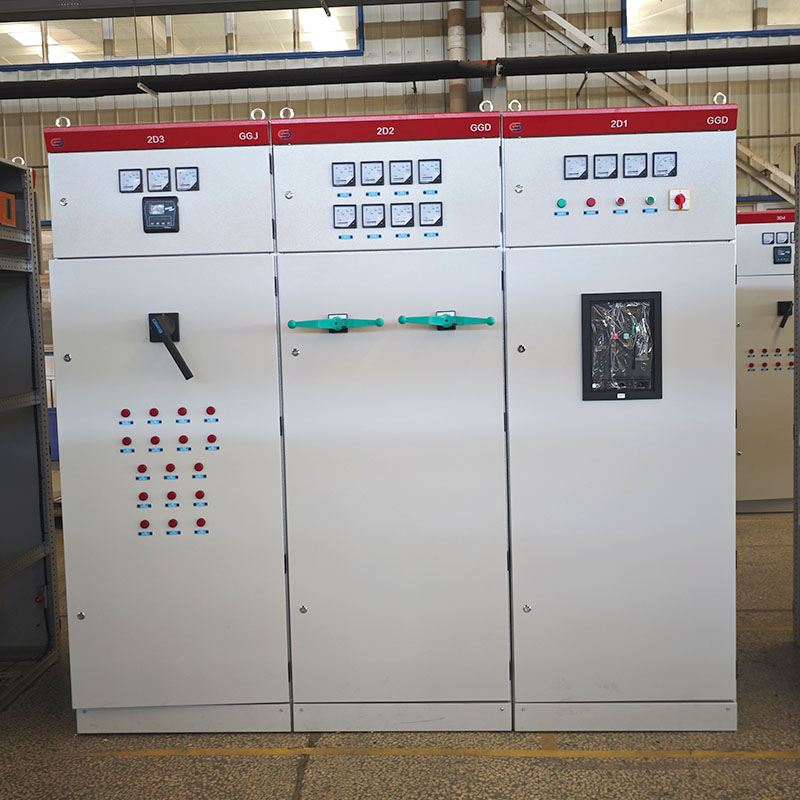
When working with switchgear, techs need to check off three essential safety checks first: making sure everything's disconnected from power sources, getting proper earthing in place, and confirming there's no electricity left in the system. For isolation, we actually have to physically disconnect things and put those lockout/tagout devices on so nobody accidentally turns stuff back on while we're working. Earthing is important too because it gives a safe route for any leftover current to follow. According to IEEE 80 guidelines, this helps keep touch voltages under 50 volts which is safer for everyone involved. After that comes verification time. Techs should run calibrated voltage testers across all conductors, don't forget those pesky capacitors that sometimes hold onto charges even after being disconnected. Following these steps really cuts down on accidents. Studies from NFPA 70E-2021 show that sticking to this protocol can slash electrical incidents by around 90%. Remember folks, never go assuming a system is dead just because it looks that way. Always test it out before putting hands anywhere near.
Validating Switching Sequences and Interlock Functionality
Switchgear operations demand strict adherence to manufacturer-defined sequences, validated through simulated dry-runs before live execution. Interlock systems—mechanical, electrical, or software-based—must be tested to ensure they:
- Prevent access to energized compartments
- Enforce correct operation order (e.g., earthing before panel access)
- Block incompatible actions like circuit closing while maintenance doors are open
A 2022 Energy Institute study found that facilities validating interlocks quarterly reduced arc-flash incidents by 78%. During commissioning, technicians should challenge interlocks using approved bypass procedures—immediately restoring safeguards afterward. Any failure requires shutdown until resolved.
Hazard Mitigation Strategies for High-Voltage Switchgear
Arc Flash Risk Assessment Using IEEE 1584–2018 Standards
Working with high voltage switchgear demands thorough analysis of arc flash risks if we want to avoid serious accidents. The IEEE 1584-2018 standard gives us a reliable way to figure out how much energy might be released during an incident and where those danger zones actually are. Following this guideline means doing several important things first: running short circuit tests, checking how different protective devices work together, and modeling how long arcs could last. These steps aren't just paperwork they directly affect what kind of protective gear workers need and how safely they can perform their tasks. The math behind it all helps establish safe distances from equipment based on how much current flows through and how quickly faults get cleared, which cuts down on electrocution dangers quite a bit. What's really important though is considering specific details about each piece of equipment such as the size and layout of enclosures. Get these wrong and hazard calculations could be off by around 40% according to the latest edition of NFPA 70E.
Controlling Step and Touch Potential Through Grounding System Design
Switchgear grounding systems mitigate step and touch potentials—lethal voltage gradients during ground faults. IEEE 80-compliant designs use:
- Grid configurations: Buried conductors creating equipotential zones to limit voltage differentials
- Surface materials: High-resistivity layers (e.g., crushed rock) reducing current flow through personnel
- Grounding electrodes: Deep-driven rods lowering overall impedance
Well designed electrical systems keep touch potentials at or below 650 volts when considering someone weighing around 50 kilograms. This is absolutely essential for safety in any substation where voltage goes above 36 kilovolts. When checking these systems in real world conditions, engineers typically map out soil resistivity and perform what's called fall of potential tests. These methods help make sure that grounding resistance stays below five ohms in areas where fault currents are particularly high. According to data from EPRI Transmission in 2022, this layered protection strategy stops roughly 89 percent of all ground fault electrocution incidents in facilities that are regularly maintained and kept up to standard.
Lockout-Tagout (LOTO) Compliance for Switchgear Safety
Strict lockout-tagout (LOTO) procedures must be followed when working on switchgear if safety is going to be maintained. The whole point of these procedures is to physically isolate dangerous energy sources using locks and warning tags so that equipment doesn't accidentally get turned back on while someone is servicing it. According to OSHA regulations there are basically six key things that need to happen: let everyone who might be affected know what's happening, shut down the equipment completely, find all those energy sources and disconnect them, apply both locks and tags to prevent tampering, release any stored energy that might still be hanging around, and finally check everything to make sure there's absolutely no power left. Some places call this last step LOTOTO instead of just LOTO because they actually test the controls with multimeters to double check for any lingering voltage. Not following proper LOTO protocols shows up again and again in OSHA violation reports and has led to some really serious electrical injuries over the years. In particularly risky areas such as electrical substations, combining standard LOTO practices with thorough arc flash risk assessments plus proper grounding techniques provides multiple layers of defense against potentially deadly electrocution incidents and destructive arc blasts.
Condition-Based Maintenance to Sustain Switchgear Reliability
Infrared Thermography and Partial Discharge Testing for Proactive Fault Detection
Condition-based maintenance (CBM) transforms switchgear reliability by replacing calendar-based checks with real-time health monitoring. Infrared thermography identifies hotspots caused by loose connections or overloads, while partial discharge (PD) testing detects early-stage insulation degradation. This dual-method approach pinpoints hidden failures before they escalate:
- Thermal anomalies >100°C signal immediate risks (per IEEE 3007.2)
- PD pulses >10 pC indicate progressive insulation breakdown
By deploying these non-invasive techniques together, facilities reduce unplanned outages by 85% compared to reactive maintenance models. Continuous sensor data feeds predictive analytics, enabling precise intervention scheduling—extending equipment lifespan and avoiding arc-flash hazards. Proactive diagnostics cut maintenance costs by 30% while supporting ongoing compliance with NFPA 70E safety requirements.
FAQ
What is the importance of pre-operational safety protocols for switchgear?
Pre-operational safety protocols for switchgear are crucial as they help ensure the system is completely de-energized, reducing the risk of electrical incidents and enhancing the safety of personnel.
How does validating switching sequences and interlock functionality contribute to safety?
Validating switching sequences and interlock functionality prevents accidental access to energized compartments and ensures the correct order of operations, significantly reducing arc-flash incidents.
What are step and touch potentials in switchgear, and how are they controlled?
Step and touch potentials refer to the voltage gradients that can occur during ground faults. They are controlled through grounding system design, including grid configurations and high-resistivity surface materials, to maintain safety standards.
Why is the Lockout-Tagout (LOTO) procedure crucial for switchgear safety?
LOTO procedures are crucial as they physically isolate energy sources, preventing equipment from being inadvertently re-energized during maintenance, thereby reducing the risk of electrical injuries.
How does condition-based maintenance enhance switchgear reliability?
Condition-based maintenance enhances switchgear reliability by utilizing real-time monitoring techniques like infrared thermography and partial discharge testing to preemptively address potential failures, reducing unplanned outages and maintenance costs.
Table of Contents
- Pre-Operational Safety Protocols for Switchgear
- Hazard Mitigation Strategies for High-Voltage Switchgear
- Lockout-Tagout (LOTO) Compliance for Switchgear Safety
- Condition-Based Maintenance to Sustain Switchgear Reliability
-
FAQ
- What is the importance of pre-operational safety protocols for switchgear?
- How does validating switching sequences and interlock functionality contribute to safety?
- What are step and touch potentials in switchgear, and how are they controlled?
- Why is the Lockout-Tagout (LOTO) procedure crucial for switchgear safety?
- How does condition-based maintenance enhance switchgear reliability?