EN
EN
 AR
AR
 BG
BG
 HR
HR
 CS
CS
 DA
DA
 FR
FR
 DE
DE
 EL
EL
 HI
HI
 PL
PL
 PT
PT
 RU
RU
 ES
ES
 CA
CA
 TL
TL
 ID
ID
 SR
SR
 SK
SK
 SL
SL
 UK
UK
 VI
VI
 ET
ET
 HU
HU
 TH
TH
 MS
MS
 SW
SW
 GA
GA
 CY
CY
 HY
HY
 AZ
AZ
 UR
UR
 BN
BN
 LO
LO
 MN
MN
 NE
NE
 MY
MY
 KK
KK
 UZ
UZ
 KY
KY


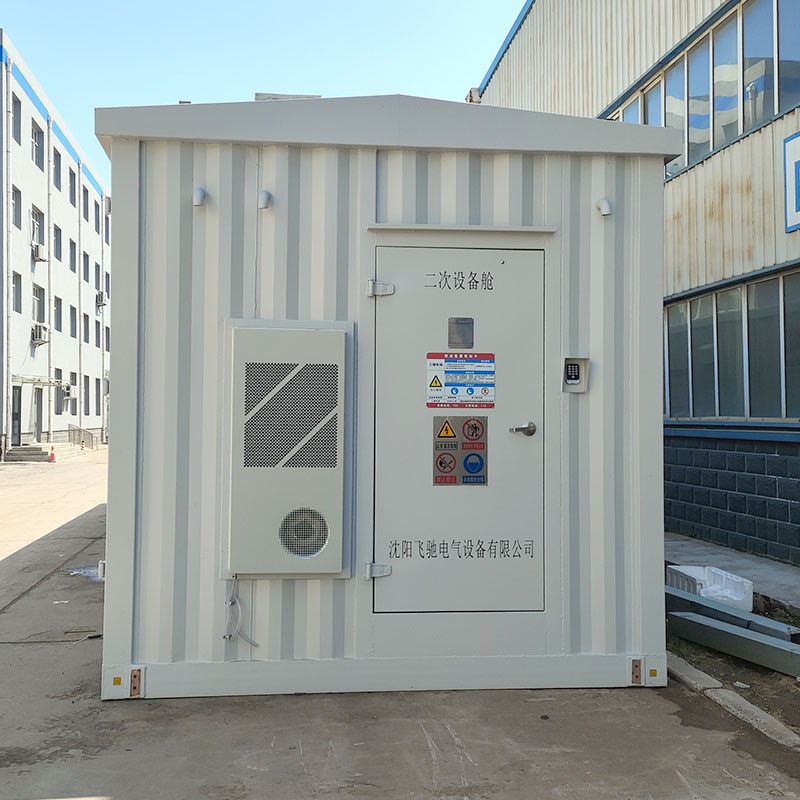
Understanding Thermal Loads in Electrical Houses
Quantifying Internal Heat Generation from Power Components
The electrical panels we install tend to run pretty hot inside because of all those power components working away. Take transformers, VFDs, and switchgear for instance these devices typically lose around 3 to 8 percent of their input energy as wasted heat when they're running. Just think about a standard 500 kVA transformer it might be putting out somewhere near 15 kilowatts worth of heat energy. According to standards set by IEC 60076-2023, if equipment runs even 10 degrees Celsius above what it's designed for, its life expectancy basically gets cut in half. That makes getting the right thermal load calculations absolutely critical for proper system design. When figuring out how much heat will build up inside these enclosures, technicians generally look at component wattage specs, consider how often each part operates, and consult those efficiency charts manufacturers provide as well.
Assessing External Thermal Influences: Ambient Conditions and Solar Gain
A whole bunch of outside conditions make thermal stress even worse than it already is. The sun can blast enclosures with around 150 watts per square meter of extra heat, and when air temps go above 40 degrees Celsius, things get really bad for natural cooling processes dropping their effectiveness by about 30 percent. Changes across seasons mean engineers need to think dynamically instead of sticking with old static models. This matters most at factories in dry areas where machines actually need 25% more cooling power compared to places with milder climates. Putting equipment in smart spots helps cut down on direct sunlight and makes better use of local wind directions so heat just kind of slips away without needing fancy systems.
Selecting Effective Heat Dissipation Methods for Electrical Houses
Passive Solutions: Heat Sinks, Thermal Interface Materials, and Heat Pipes
Passive cooling works by taking advantage of nature's own heating and cooling processes, which means no need for any outside power source. When we talk about aluminum or copper heat sinks, they basically create more space for heat to escape through both convection and radiation. Good designs can actually bring down device temperatures somewhere around 15 to maybe even 20 degrees Celsius. Thermal interface materials, or TIMs as they're called in the industry, fill those tiny air spaces between parts and their cooling surfaces. This makes heat transfer work better, sometimes up to five times better than just letting air do the job. Heat pipes are pretty amazing too. They work on this principle where liquid turns into vapor and back again, moving heat away really efficiently. These pipes can carry about 90 percent more heat compared to the same amount of solid copper. Electrical equipment manufacturers find these passive cooling methods very appealing because they tend to last over a decade without needing much attention, plus there's absolutely no ongoing electricity bill involved.
Active Cooling Options: Filtered Fans, Air-to-Air Heat Exchangers, and Enclosure AC Units
Active cooling systems kick in when environmental factors go beyond what's considered safe or when internal heat generation outpaces what passive methods can handle. Fans rated NEMA 4 help keep dust out while pushing around 300 cubic feet per minute of cooled air, which works well for situations with average heat demands. The air to air heat exchangers create a barrier between inside and outside air that meets IP54 standards, and these devices manage to get rid of roughly 2 to 3 kilowatts worth of excess heat via conduction. For really tough spots like power stations outdoors or buildings located in desert climates, specialized AC units for enclosures are needed to keep things at a steady 25 degrees Celsius despite facing heat loads exceeding 5 kilowatts. Forced air solutions definitely bring down hot spot temps by about 35 degrees Celsius sometimes, but they come at a cost since they generally need about 15 percent more power compared to their passive counterparts that have been properly optimized.
Designing for Optimal Airflow and Component Layout in Electrical Houses
Strategic Placement to Avoid Hotspots and Enable Natural Convection Paths
How components are arranged plays a big role in thermal design decisions. When placing high heat devices such as VFDs, it makes sense to put them close to where there's good airflow, but these hot spots need to stay away from delicate instruments. Why? Because electromagnetic interference can cause problems, and studies show it contributes to more than a third of all thermal related failures. Leave at least 20% space around anything generating heat so air can move up naturally. Think of it like creating a chimney effect where cool air gets pulled upwards on its own without fans or pumps doing the work. This simple trick can actually drop internal temps by about 15 degrees Celsius. Getting the spacing right matters too since blocked airflow creates hot spots that nobody wants when trying to keep things running smoothly across the whole system.
CFD-Informed Enclosure Ventilation and Obstruction Management
Using Computational Fluid Dynamics (CFD) simulations can uncover serious thermal problems long before any actual manufacturing takes place. When engineers model how air flows through equipment, track pressure changes across surfaces, and spot areas where components might overheat, they find all sorts of issues nobody would normally see. For instance, poor vent positioning creates turbulence instead of smooth airflow, while certain spots become hotspots because no air reaches them at all. Research from several engineering firms indicates that when designers optimize enclosures using CFD techniques, their products dissipate heat about 40 percent more effectively compared to standard designs. Some practical tips for getting the most out of CFD analysis involve tilting vent openings at just the right angle to encourage smooth airflow patterns, keeping electrical wiring away from main ventilation channels, and making sure exhaust ports are significantly bigger than intake holes – usually somewhere between 20 and 30 percent larger works best for creating natural convection currents. Getting this kind of simulation done early in the design process saves money down the road by preventing expensive redesigns later on, plus it helps ensure everything stays within safe temperature ranges while still meeting all those structural and environmental safety requirements manufacturers have to follow.
Balancing Environmental Protection and Thermal Performance in Electrical House Enclosures
For engineers working on industrial equipment, there's always this balancing act when it comes to enclosures. They need to comply with tough environmental specs like IP66 or NEMA 4X ratings, but at the same time, they have to let enough heat out so things don't overheat. Getting good protection from dust, water, and corrosive elements is absolutely essential for important systems, no question about it. But if we go too far with the sealing, that heat gets trapped inside and actually speeds up component failure. Take compression gaskets as an example. These work great at keeping stuff out, but then we need something else to handle the heat buildup. Usually means adding conductive materials to the enclosure walls or putting in some kind of heat sink somewhere in the design. Otherwise, all those protective measures just become part of the problem instead of the solution.
Ventilation solutions help close the gap between airflow needs and protection against harsh conditions. Louvered vents equipped with particulate filters work well alongside NEMA rated fans to keep air moving while still protecting equipment from dust, corrosion, and water exposure during washdowns. For thermal control, there are several approaches worth considering. Thermal interface materials improve heat transfer from hot components to enclosure walls. Insulation can also be strategically placed to protect against temperature fluctuations outside the enclosure. These methods become particularly important in certain locations. Coastal areas with high humidity benefit greatly from anti condensation heaters that prevent moisture damage. Similarly, equipment exposed to direct sunlight needs either reflective coatings or shade structures to reduce heat buildup. When looking at IP and NEMA ratings, what we see is clear evidence that environmental protection and thermal management aren't separate concerns. They actually depend on each other for reliable operation over time in power distribution systems.
FAQ
What is thermal load in electrical houses?
Thermal load refers to the amount of heat energy produced within electrical enclosures, mainly due to internal heat generation from power components such as transformers, VFDs, and switchgear, and external influences like ambient temperature and solar gain.
How do passive and active cooling methods differ for electrical houses?
Passive cooling relies on natural processes and materials like heat sinks and heat pipes, while active cooling involves mechanical systems such as filtered fans and enclosure AC units to manage excess heat.
What role does CFD play in designing electrical enclosures?
Computational Fluid Dynamics (CFD) is used to simulate and optimize airflow within enclosures, identifying and mitigating potential hotspots and pressure changes before the manufacturing process.
Why is balancing environmental protection and thermal performance important?
Balancing these two aspects ensures that electrical enclosures comply with environmental specifications while preventing overheating, thus protecting against dust, water, and corrosion while allowing adequate heat dissipation.