EN
EN
 AR
AR
 BG
BG
 HR
HR
 CS
CS
 DA
DA
 FR
FR
 DE
DE
 EL
EL
 HI
HI
 PL
PL
 PT
PT
 RU
RU
 ES
ES
 CA
CA
 TL
TL
 ID
ID
 SR
SR
 SK
SK
 SL
SL
 UK
UK
 VI
VI
 ET
ET
 HU
HU
 TH
TH
 MS
MS
 SW
SW
 GA
GA
 CY
CY
 HY
HY
 AZ
AZ
 UR
UR
 BN
BN
 LO
LO
 MN
MN
 NE
NE
 MY
MY
 KK
KK
 UZ
UZ
 KY
KY


NEC Framework for Electrical House Design and Compliance
NFPA 70 as the Core Standard: Scope, Authority, and Application to Electrical House Design
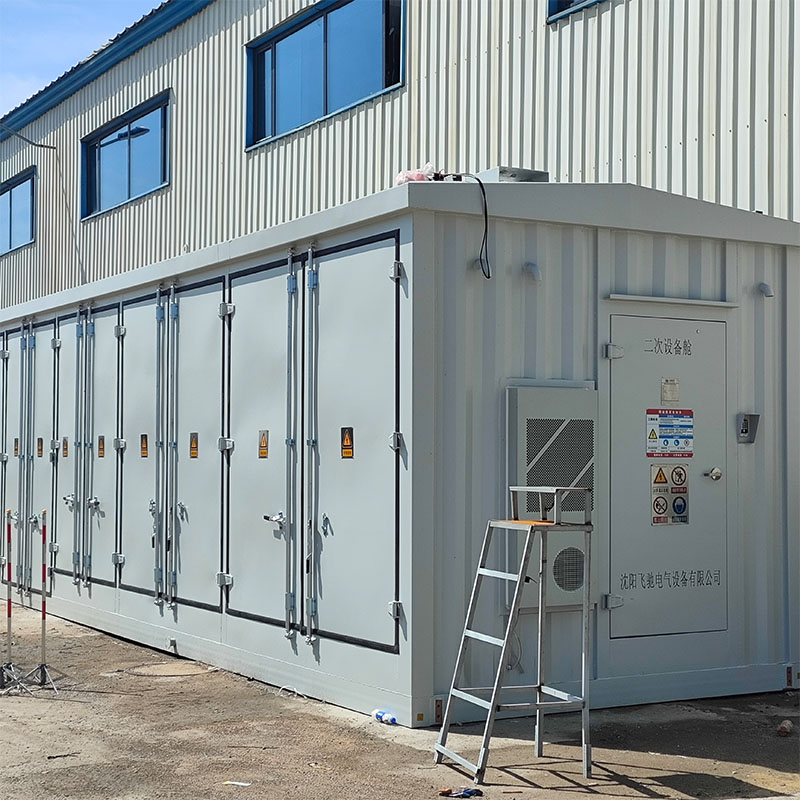
The NFPA 70, which most people refer to as the National Electrical Code or NEC for short, serves as the baseline standard for electrical work safety across homes, offices, factories, and pretty much any built environment. All 50 states have officially adopted this code, along with many city and county governments too. When designing electrical systems for buildings, engineers need to follow these rules for things like determining wire sizes, setting up circuit breakers, figuring out proper grounding techniques, and installing equipment correctly. Because the NEC gets incorporated directly into local building regulations, failure to comply can lead to failed inspections and serious legal problems down the road. This code also covers those prefabricated electrical rooms that contain transformers, switchgear panels, and control systems specifically. For anyone involved in creating electrical infrastructure for actual customers, the NEC remains the go-to reference document that everyone in the field respects and follows.
Key Boundaries: Why NEC Applies to Electrical Houses—but Not Substations or Generation Facilities
Ownership and voltage levels determine what falls under the NEC's authority, not how equipment functions. The code covers wiring systems owned by customers that operate at 1,000 volts or below. This includes everything from residential electrical setups with their main distribution panels to industrial facilities with motor control systems and standard lighting circuits. On the other side of things, when it comes to infrastructure owned by utilities like transmission substations, power generation stations, and those overhead power lines we see stretching across neighborhoods, that's where the National Electrical Safety Code (NESC) takes over. These boundaries exist for good reason. Electrical installations must meet specific NEC standards regarding proper grounding, clear arc flash warnings on equipment, enclosures rated for different weather conditions (think NEMA 3R or 4X ratings), and adequate space around equipment for workers. All these requirements aren't just bureaucratic hurdles but actual safety measures protecting both building occupants and maintenance personnel who work on these systems regularly.
Mandatory Safety Technologies for Electrical Houses per NEC
Tamper-Resistant Receptacles, AFCIs, and GFCIs: Requirements and Implementation in Electrical House Circuits
The NEC mandates three interlocking safety technologies in electrical house circuits to mitigate electrocution, arc-flash, and fire risks: tamper-resistant receptacles (TRRs), arc-fault circuit interrupters (AFCIs), and ground-fault circuit interrupters (GFCIs).
TRRs, as specified in NEC 406.12, have been around since 2008 and work by using those spring-loaded shutters inside to stop people from sticking things into outlets. These devices actually cut down on shock incidents quite a bit, maybe around 70% in places where people are regularly moving about. Then there's AFCIs covered under NEC 210.12 which became mandatory back in 2014 for most residential circuits between 15 and 20 amps. What makes these special is their ability to spot dangerous electrical arcs that regular circuit breakers just can't see, cutting power off almost instantly when problems arise. And let's not forget about GFCIs mentioned in NEC 210.8[F]. These gadgets trip at very low current levels, typically between 4 to 6 milliamps, and do so within about 25 milliseconds. They're absolutely essential in areas where water might be present, think pump rooms, control areas next to equipment, or those long utility corridors running through buildings.
Implementation best practices include:
- Installing TRRs within 6 feet of sinks, drains, or wet-process equipment;
- Using combination-type AFCIs at the circuit origin (panelboard) for full branch-circuit protection;
- Conducting monthly GFCI self-tests per OSHA 1910.303 to verify operational readiness.
Dual-function AFCI/GFCI breakers streamline compliance but must be validated against equipment-specific ground-fault tolerance limits—particularly where sensitive control electronics or VFDs are present. Noncompliant deployments increase arc-flash incident risk, with associated average incident costs exceeding $740,000 (NFPA 2023).
Physical Protection and Hazard Control in Electrical House Installations
Enclosure Integrity, Live-Part Guarding (¥50V), and Clearance Rules per NEC Articles 110.27–110.34
When it comes to electrical house design, physical safeguards serve as the primary protection layer against hazards. The National Electrical Code covers these requirements in Articles 110.27 through 110.34, setting out what's considered acceptable minimum standards. Equipment enclosures need proper ratings based on where they'll be installed. For instance, NEMA 3R enclosures handle outdoor conditions with dust and rain, while NEMA 4X versions are built for harsher environments like food processing areas where corrosive cleaning agents are common. These enclosures should also be made from materials that won't catch fire easily and resist corrosion over time to avoid problems caused by moisture getting inside. Any components working at voltages equal to or above 50 volts require some kind of permanent guard system. This could mean things like insulated barriers around dangerous parts, doors that won't open unless certain safety conditions are met, or even separate locked rooms just for high voltage equipment. Such measures help keep workers safe from accidental contact whether they're running the equipment regularly or performing maintenance tasks.
Clearance rules define non-negotiable working space dimensions:
- 3-foot minimum depth in front of equipment (measured from live parts or doors);
- 30-inch minimum width, unobstructed and level;
- 6.5-foot minimum vertical height, free of overhead obstructions.
These spatial buffers ensure safe access for testing, troubleshooting, and emergency response—and prevent arc-flash energy from propagating across adjacent equipment. Per NFPA 2023 data, inadequate clearances contribute to nearly half (47%) of documented electrical house incidents, reinforcing how enclosure integrity, guarding, and clearance function as an integrated physical hazard-control system.
Operational Safeguards: Grounding, PPE, and De-Energization Protocols for Electrical Houses
Grounding Systems, Insulation Verification, and Lockout/Tagout Alignment with NEC 250 and OSHA 1910.333
When it comes to keeping homes electrically safe, three main factors stand out grounding systems, good insulation, and proper procedures. Each plays its own role according to different but related safety standards. The National Electrical Code specifically addresses grounding in Article 250. It mandates what's called a low impedance path for fault current through correctly sized grounding wires. These wires connect metal boxes and other components back to the main grounding system in the house. Why does this matter? Well, when there's a ground fault situation, these connections allow circuit breakers to trip quickly before anyone gets shocked. They also help reduce dangerous voltage levels on surfaces people might touch accidentally. Proper grounding isn't just about following rules it literally saves lives by preventing electrocution risks.
Before energization, insulation resistance testing—performed with calibrated megohmmeters—verifies dielectric strength across conductors and to ground. IEEE 43-2013 recommends a minimum of 1 MΩ for low-voltage systems; values below this threshold signal moisture intrusion, contamination, or insulation degradation—precursors to arc flash or shock.
The lockout tagout (LOTO) process required under OSHA standard 1910.333 gives workers control over how systems interact with humans. Basically, it means cutting power at the source, checking for live voltage everywhere someone might touch equipment, and putting on actual locks and warning tags so nobody accidentally turns things back on. These safety steps don't take the place of proper grounding or insulation testing though they work alongside those measures following the risk control priorities outlined in NFPA 70E. Today's electrical installations often include built-in LOTO access points, special ports for confirming ground connections are solid, and convenient spots for testing right within the panels themselves making safety compliance something that comes naturally with the way the whole system is put together.
Key Compliance Details
- Grounding Conductor Sizing: Determined by overcurrent device rating per NEC Table 250.122—not wire ampacity.
- Insulation Test Thresholds: Minimum 1 MΩ for systems ≤1,000V (IEEE 43-2013); trending over time is more valuable than single-point pass/fail.
- LOTO Training: Required annually for authorized personnel per OSHA 1910.333(c)(1); includes hands-on verification of voltage absence using CAT III-rated multimeters.
FAQ
- What is the National Electrical Code (NEC)? The NEC is a set of standards for electrical safety used across the United States. It's officially adopted by all 50 states and many local governments.
- Why are tamper-resistant receptacles important? They reduce shock incidents by about 70% by using spring-loaded shutters to prevent objects from being inserted into outlets.
- What's the purpose of grounding systems according to NEC? Grounding systems provide a low impedance path for fault current, ensuring quick tripping of circuit breakers and reducing electrocution risks.
- How do AFCIs differ from regular circuit breakers? AFCIs detect dangerous electrical arcs that regular breakers can't, providing an extra layer of protection.
- What is the Lockout/Tagout (LOTO) process? LOTO is a safety protocol designed to ensure systems are de-energized during maintenance to prevent accidental activation.