EN
EN
 AR
AR
 BG
BG
 HR
HR
 CS
CS
 DA
DA
 FR
FR
 DE
DE
 EL
EL
 HI
HI
 PL
PL
 PT
PT
 RU
RU
 ES
ES
 CA
CA
 TL
TL
 ID
ID
 SR
SR
 SK
SK
 SL
SL
 UK
UK
 VI
VI
 ET
ET
 HU
HU
 TH
TH
 MS
MS
 SW
SW
 GA
GA
 CY
CY
 HY
HY
 AZ
AZ
 UR
UR
 BN
BN
 LO
LO
 MN
MN
 NE
NE
 MY
MY
 KK
KK
 UZ
UZ
 KY
KY


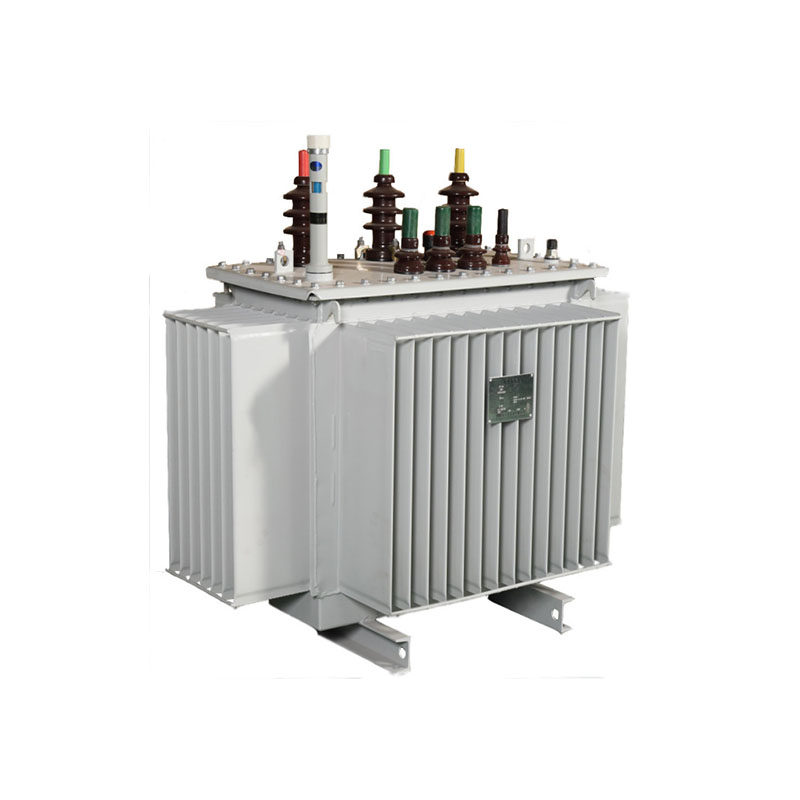
Core Construction and Insulating System: How Oil and Cellulose Enable Reliable Power Transformation
Key Structural Components: Core, Windings, Tank, Conservator, and Buchholz Relay
Oil immersed transformers depend on five key parts working together. At the heart of these systems is the magnetic core, usually constructed from layers of silicon steel. This component creates an efficient path for magnetic flux between the primary and secondary windings. Those windings themselves are typically made of either copper or aluminum, and they're what actually enable the voltage transformation process through electromagnetic induction. All these components sit inside a sealed steel container filled with dielectric oil. Above this main tank sits another important part called the conservator tank. Its job is pretty straightforward but crucial - it handles the expansion and contraction of oil as temperatures change, keeping pressure stable and preventing unwanted air from getting in. And then there's the Buchholz relay, which acts like an early warning system for potential problems. When something goes wrong inside the transformer - maybe there's partial discharge, arcing, or even oil decomposition happening - this safety device picks up on the gases produced and sends out alerts or trips circuits before things get really bad.
Oil–Cellulose Synergy: Dual Dielectric and Thermal Roles in Transformer Reliability
Oil immersed transformers rely heavily on the teamwork between insulating oil and cellulose based solid insulation materials. The paper and pressboard components serve multiple purposes they hold everything together mechanically, keep conductors separated physically, and naturally resist electrical breakdown even when exposed to ongoing heat around 105 degrees Celsius. Mineral oil soaks into these materials like water into a sponge, filling tiny gaps and boosting the whole system's ability to handle electricity safely. Lab tests back this up showing about a two thirds improvement in voltage resistance compared to just dry cellulose material. What makes transformer oil really valuable though is its role in cooling. Around seven tenths of all the heat generated by the transformer cores and windings gets absorbed by the oil, which then carries that heat away to radiator sections through simple convection currents. This heat management capability is what keeps transformers running reliably over long periods without overheating.
| Function | Cellulose Contribution | Oil Contribution |
|---|---|---|
| Electrical Insulation | Prevents conductor contact and provides structural dielectric barrier | Fills voids, suppresses ionization paths, and boosts composite dielectric strength |
| Thermal Management | Withstands sustained thermal stress without degradation | Absorbs, transports, and dissipates heat via convection and radiator exchange |
| Longevity Protection | Acts as a physical buffer against electrical stress and vibration | Inhibits oxidation of cellulose and steel, slowing aging when properly maintained |
This synergistic system supports stable operation under dynamic load conditions and contributes directly to service lifespans exceeding 30 years—making oil-cellulose insulation the standard for 85% of utility-scale power transformers globally.
Cooling Classes (ONAN to OFWF): Matching Transformer Thermal Performance to Grid Demands
From Natural to Forced Cooling: Operational Principles and Load-Capacity Implications
The different transformer cooling classes basically tell us how heat gets pulled away from those cores and windings inside, which then affects what kind of load they can handle safely and how flexible they are operationally. Take ONAN first (that stands for Oil Natural Air Natural). This one works passively through convection where hot oil moves upward through ducts into radiators and gets cooled down naturally by surrounding air. Works pretty well for smaller or medium transformers below around 20 MVA when loads stay fairly constant, though it doesn't handle overloads too well only managing about 120% capacity for maximum 30 minutes before things get risky. Moving up the scale we have ONAF (Oil Natural Air Forced), which brings fans into play to boost airflow across those radiators. This makes heat transfer much more efficient and lets these transformers run at around 30% higher continuous ratings, so they're commonly seen in mid size substations. At the top end there's OFWF (Oil Forced Water Forced) systems that pump oil through external water cooled heat exchangers, allowing massive capacities up to 500 MVA. What makes these special is their ability to sustain 150% overloads for several hours straight, which explains why they're essential components in key parts of power grids. All told, these improved cooling techniques cut down on hotspot temperatures by roughly 25%, giving transformers a lifespan extension somewhere between 15 to 25% compared to older models relying solely on basic ONAN cooling.
Ambient Adaptability and Overload Resilience Across Cooling Methods
The effectiveness of cooling systems changes quite a bit depending on where they're installed. For example, ONAN systems depend heavily on outside air, which makes them less suitable for really hot areas. When temperatures go above 40 degrees Celsius, these systems usually need to operate at about 80% of their normal capacity. Things look different with ONAF systems though. Their variable speed fans keep around 95% of their rated output even in extremely hot desert conditions. Meanwhile, OFWF systems have a closed loop water system that doesn't get messed up by humidity, dust, or other stuff floating around in coastal regions or industrial settings. During power grid issues, ONAF units can handle 140% of normal load for about two hours if the fans are activated in stages. OFWF systems actually perform better under short term stress, reaching up to 160% capacity because they move heat away faster. Maintenance does get trickier as cooling becomes more aggressive. ONAF requires checking those fans every three months, while OFWF needs constant attention to pumps and water quality. Still, forced cooling setups stop roughly 70% of failures caused by overheating, based on industry data from IEEE studies.
Design Variants and Application Fit: Core-Type vs. Shell-Type Oil-Immersed Transformers
What sets core-type apart from shell-type oil immersed transformers is basically how their magnetic circuits are shaped and what that means for performance compromises. With core type models, the windings wrap around these vertical steel laminations creating what's called an open magnetic path. The way this is arranged actually helps oil move through the system better and makes production easier too, which is why we see them so much in those high voltage situations like 220 to 400 kV substations where keeping things cool and managing costs matters most. These core types tend to take over when dealing with really big power systems above 500 MVA because they scale well and work nicely with all sorts of different cooling methods available today.
In shell type transformers, the windings are actually wrapped inside this multi limb steel shell, which creates a much tighter package with built in magnetic shielding. What makes these designs so good is how they cut down on leakage flux and stand up better when there's a big surge of current running through them during faults. That kind of strength matters a lot in places like arc furnaces or those traction substations we see around rail systems. Sure, shell types do cost more money upfront and can be tricky to keep cool properly, but they handle short circuits way better than other options and create less electromagnetic noise too. For many industrial operations, this extra durability makes all the difference even if it means paying a bit more initially and dealing with some cooling challenges along the way.
Operational Trade-offs: Why Oil-Immersed Transformers Excel in High-Voltage Grids—and Where They Require Mitigation
Proven Advantages: Efficiency, Long Service Life, and Cost-Effective HV Transformation
When it comes to high voltage transmission, oil immersed transformers still set the standard because they offer something special when combined efficiency, how long they last, and overall cost effectiveness over time. When loaded properly, these newer models can actually have full load losses down around 0.3 percent, which beats out those dry type options at every level above 100 kilovolts. What makes them work so well is their oil cellulose insulation system. This setup keeps things running cool even under stress and handles electrical strain pretty well. Most manufacturers claim service life exceeding 40 years now, about double what we see from similar dry type units deployed on large grids. From a utility standpoint, this kind of lasting power means about 30 percent savings in total costs per megavolt ampere over the lifespan. That's why most power companies stick with oil immersed transformers for those critical long distance transmission lines where having consistent power without interruptions really matters.
Critical Considerations: Fire Risk, Moisture Sensitivity, and Environmental Compliance
Oil immersed transformers offer many benefits but come with risks that need careful management. The dielectric oil inside can catch fire if something goes wrong, which means following NFPA 850 standards becomes critical. Installers must include things like firewalls around the equipment, proper containment areas, and those gas detection systems that trigger alarms when problems start developing. One big issue technicians see regularly is moisture getting into the system. Left unchecked, this moisture can cut down on the oil's ability to insulate properly by roughly 15 to 20 percent each year, causing the cellulose materials to break down faster than normal. That's why sealed conservators and those silica gel breathers really matter in keeping things dry. Environmental rules from agencies like the EPA also play a role here, especially regarding what kind of fluids get used and how spills should be contained during maintenance work. Putting all these precautions together with regular oil checks, dissolved gas analysis tests, and properly set pressure relief valves makes a huge difference. Studies show such comprehensive approaches can cut unexpected shutdowns by about two thirds, which keeps operations running smoothly while protecting worker safety across the board.
FAQ Section
How does the Buchholz relay help prevent transformer failure?
The Buchholz relay serves as an early warning system by detecting gases produced from potential issues like partial discharge or oil decomposition inside the transformer. It sends alerts or trips circuits to prevent major failures.
Why is cellulose important in transformers?
Cellulose serves multiple purposes, including holding components together mechanically, separating conductors physically, and resisting electrical breakdown, especially when exposed to heat.
What are the differences between core-type and shell-type transformers?
Core-type transformers have windings that wrap around vertical steel laminations, offering an open magnetic path and efficient cooling. Shell-type transformers have windings inside a steel shell, offering better leakage flux control and short circuit resistance.
What cooling classes are used for transformers, and why do they matter?
Cooling classes like ONAN, ONAF, and OFWF are used to manage heat dissipation in transformers. They affect load capacity, operational flexibility, and lifespan by reducing hotspot temperatures and improving cooling efficiency.
What precautions should be taken to mitigate fire and moisture risks in oil-immersed transformers?
Precautions include following fire safety standards, using containment areas, installing gas detection systems, sealing conservators, using silica gel breathers, and conducting regular maintenance checks to prevent moisture and fire-related risks.
Table of Contents
- Core Construction and Insulating System: How Oil and Cellulose Enable Reliable Power Transformation
- Cooling Classes (ONAN to OFWF): Matching Transformer Thermal Performance to Grid Demands
- Design Variants and Application Fit: Core-Type vs. Shell-Type Oil-Immersed Transformers
- Operational Trade-offs: Why Oil-Immersed Transformers Excel in High-Voltage Grids—and Where They Require Mitigation
-
FAQ Section
- How does the Buchholz relay help prevent transformer failure?
- Why is cellulose important in transformers?
- What are the differences between core-type and shell-type transformers?
- What cooling classes are used for transformers, and why do they matter?
- What precautions should be taken to mitigate fire and moisture risks in oil-immersed transformers?