EN
EN
 AR
AR
 BG
BG
 HR
HR
 CS
CS
 DA
DA
 FR
FR
 DE
DE
 EL
EL
 HI
HI
 PL
PL
 PT
PT
 RU
RU
 ES
ES
 CA
CA
 TL
TL
 ID
ID
 SR
SR
 SK
SK
 SL
SL
 UK
UK
 VI
VI
 ET
ET
 HU
HU
 TH
TH
 MS
MS
 SW
SW
 GA
GA
 CY
CY
 HY
HY
 AZ
AZ
 UR
UR
 BN
BN
 LO
LO
 MN
MN
 NE
NE
 MY
MY
 KK
KK
 UZ
UZ
 KY
KY


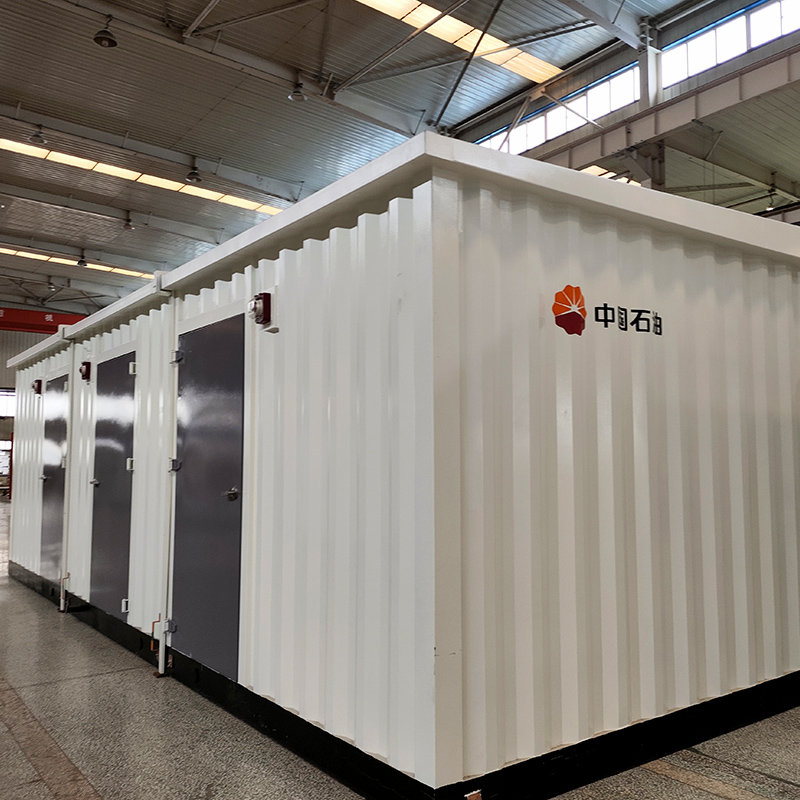
IP and NEMA Ratings: The Foundation of Electrical House Dust Protection
What IP5X and IP6X Mean for Electrical House Dust Ingress Resistance
The IP rating system, which comes from the IEC 60529 standard, basically tells us how well an electrical enclosure can keep out solid particles, particularly dust. When we see IP5X on something, it means it's protected against dust to some extent. A little bit might get in, but not enough to cause problems during normal operation. Then there's IP6X, which is the real deal for dust protection. With this rating, absolutely no dust gets inside during testing, so equipment stays fully functional even in places where dust is everywhere, like concrete mixing operations or those massive grain silos at farms. Manufacturers really need to pay attention to these ratings when choosing equipment for harsh environments.
NEMA 12 vs. NEMA 4X: Matching Electrical House Enclosure Standards to Industrial Dust Environments
The NEMA rating system works alongside IP codes but actually tests equipment in real-world conditions rather than just theoretical scenarios. For indoor environments where dust and lint build up over time, NEMA 12 enclosures offer good protection from these airborne particles plus they handle occasional drips that aren't corrosive. That makes them great choices for factory floors and control rooms where maintenance isn't constant. When we need something tougher, NEMA 4X takes things further with strong corrosion resistance thanks to materials like stainless steel or fiberglass. These enclosures also stand up to water sprayed directly from a hose, which is why they're commonly found in places like chemical plants, near coastlines, or anywhere regular washing down happens. What sets NEMA apart from IP testing is how it looks at gaskets too. The certification process checks how well seals hold up during temperature changes, when ice forms on surfaces, and after months of being compressed. These practical considerations matter a lot for keeping dust out in electrical houses where reliability counts.
Sealing Integrity: Gasket Materials and Compression Design for Electrical Houses
Silicone, EPDM, and Conductive Elastomers – Optimal Gasket Choices for Long-Term Electrical House Dustproofing
Silicone gaskets can handle extreme temperatures from -50°C right up to 200°C, plus they resist UV damage and maintain their shape well with compression sets under 20% according to ASTM standards. This means they keep their flexibility and sealing power even after years of use. EPDM is another good option when dealing with harsh chemicals since it stands up against oils, steam, and various solvents found in industrial electrical environments. For applications needing both EMI protection and dust control, conductive elastomers combine metal particles like nickel-coated graphite with either silicone or EPDM bases. These materials create barriers against electromagnetic interference while also preventing static buildup that attracts dust particles inside enclosures. Proper installation matters though; if these gaskets are compressed correctly during setup, most will last about ten years before needing replacement while maintaining their IP6X rating for dust exclusion.
Maintaining Seal Performance: Compression Force, Creep Relaxation, and Inspection Intervals for Electrical Houses
Getting good dust sealing depends on just the right amount of gasket compression. Most experts say somewhere between 15 to 30 percent of the original thickness works best for making sure there's proper contact without putting too much stress on the material itself. When we compress them too much though, something called creep relaxation happens faster. This means the sealing power gets lost permanently once it's been under pressure for a long time. Silicone stands out here because it holds up better than most materials, keeping around 85% of its original compression strength even after sitting at 100 degrees Celsius for 5,000 hours straight. Checking visually every three months helps catch problems before they become big issues. Look out for things like cracks forming, areas where the gasket has flattened completely, or any gaps bigger than half a millimeter. For regular maintenance, annual compression tests are pretty standard practice. If the deformation goes past 30%, then it's definitely time to replace the gasket. Places with harsh conditions like deserts where dust storms roll in regularly need closer attention too, maybe checking every other month instead. Keeping track of these compression numbers makes predictive maintenance possible, and newer sensor tech connected through the internet allows companies to monitor seal integrity in real-time, which helps maintain those important IP ratings across different applications.
Enclosure Architecture: Structural Features That Prevent Dust Entry in Electrical Houses
Door/Latch Geometry, Over-Center Latching, and Uniform Compression – Critical Design Elements for Electrical House Dust Resistance
Getting dust-tight isn't just about what kind of gasket we use but how well the whole enclosure is built from the start. When doors fit frames really closely together, those tiny gaps disappear. Believe it or not, something as small as 1mm out of place lets in particles smaller than a micron. The over-center latch system actually gives us better mechanical leverage so the gasket stays compressed properly over time, even as materials naturally relax. And when pressure spreads evenly all around the gasket edge, there's nowhere for dust to sneak through. We've seen this work wonders in practice. With good engineering behind it, these systems achieve real IP6X ratings and cut down on maintenance issues caused by dust buildup by roughly 40%. This makes a big difference in industries where dust is everywhere like mines, cement plants, and facilities handling large volumes of raw materials day after day.
Complementary Systems: Ventilation, Filtration, and Environmental Hardening for Electrical Houses
MERV-Rated Air Filters and Pressure-Compensated Vents: Enabling Safe Thermal Management Without Compromising Electrical House Dustproofing
Keeping dust out should never come at the expense of proper thermal management in electrical enclosures. Filters rated MERV 13 through 16 trap over 90 percent of particles one micron or larger like factory dust, pollen grains, and mold spores, all while still allowing enough airflow to keep transformers and switchgear cool. The smart vents we install respond to environmental conditions intelligently opening only when there's a significant difference between inside and outside pressures, which happens most often during sudden temperature changes. These same vents shut tightly during sandstorms or strong winds to stop dirty air from getting in. For optimal results, it makes sense to combine MERV 14 plus filters with a positive pressure ventilation system. In areas where humidity is an issue, going with hydrophobic filter media becomes essential. And don't forget about those tamper-resistant filter housings with good seals. When all these components work together properly, they can cut down internal temperatures by around 15 degrees Celsius. At the same time, they maintain that critical IP5X rating against dust entry. This dual benefit means longer-lasting equipment and fewer failures caused either by heat buildup or dirt accumulation inside the enclosure.
Frequently Asked Questions (FAQ)
What do IP5X and IP6X ratings indicate?
IP5X indicates an enclosure protected against dust to a degree where ingress won't disrupt normal operations; some dust may enter, but not sufficient to cause failures. IP6X ensures no dust gets in, ideal for environments with ubiquitous dust presence, maintaining full equipment functionality.
How do NEMA and IP ratings differ?
While both systems rate dust protection, NEMA evaluates equipment in real-world conditions, covering corrosion resistance and environmental elements, whereas IP focuses on theoretical dust ingress.
What materials are best for long-term gasket performance?
Silicone, EPDM, and conductive elastomers are excellent for gaskets, as they handle extreme conditions and maintain sealing power over time. Proper compression installation can extend life up to ten years.
How do you ensure ongoing gasket effectiveness?
Perform regular inspections and compression tests, ideally every three months, addressing issues promptly. Monitor environments with varying conditions more closely to prevent long-term damage and ensure effective sealing.
How can ventilation and filtration enhance dustproofing?
Utilizing high MERV-rated filters and pressure-compensated vents can manage both dust exclusion and thermal regulation effectively, preventing buildup within enclosures without sacrificing airflow and cooling.
Table of Contents
- IP and NEMA Ratings: The Foundation of Electrical House Dust Protection
- Sealing Integrity: Gasket Materials and Compression Design for Electrical Houses
- Enclosure Architecture: Structural Features That Prevent Dust Entry in Electrical Houses
- Complementary Systems: Ventilation, Filtration, and Environmental Hardening for Electrical Houses
- Frequently Asked Questions (FAQ)