EN
EN
 AR
AR
 BG
BG
 HR
HR
 CS
CS
 DA
DA
 FR
FR
 DE
DE
 EL
EL
 HI
HI
 PL
PL
 PT
PT
 RU
RU
 ES
ES
 CA
CA
 TL
TL
 ID
ID
 SR
SR
 SK
SK
 SL
SL
 UK
UK
 VI
VI
 ET
ET
 HU
HU
 TH
TH
 MS
MS
 SW
SW
 GA
GA
 CY
CY
 HY
HY
 AZ
AZ
 UR
UR
 BN
BN
 LO
LO
 MN
MN
 NE
NE
 MY
MY
 KK
KK
 UZ
UZ
 KY
KY


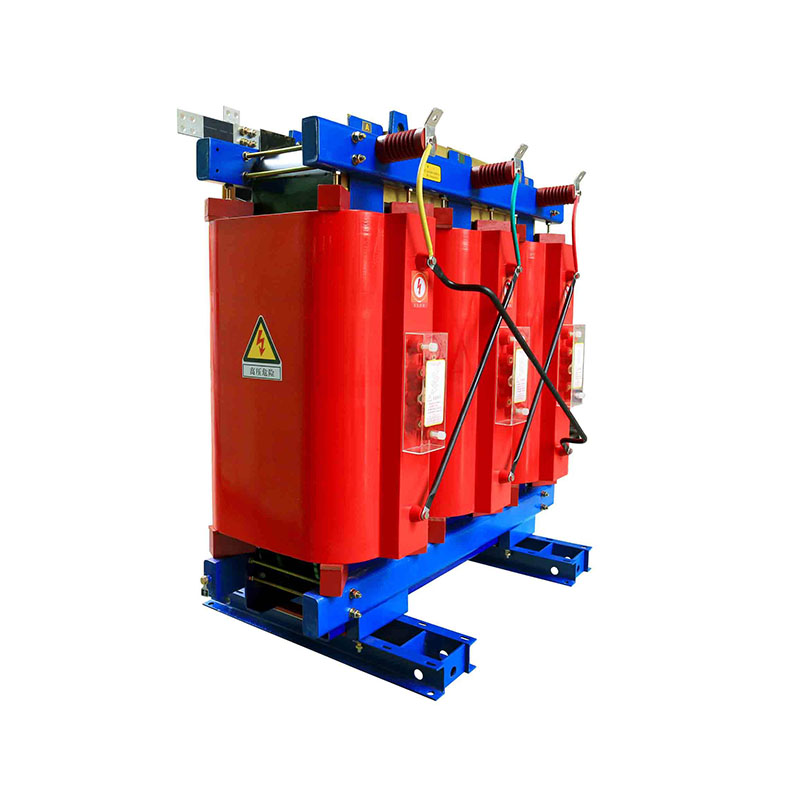
Fire Safety Advantages of Cast Resin Transformers for Indoor Use
Flame retardancy and self-extinguishing behavior of epoxy resin insulation
Cast resin transformers have windings wrapped in epoxy that won't catch fire easily and actually put themselves out once flames go away. What makes this happen? Well, the chemical makeup of the resin gives off special gases when heated up, which helps stop fires from spreading. These transformers need about 28% oxygen or more to keep burning, way higher than most regular materials. That means they just don't catch fire under normal conditions inside buildings. Real world data backs this up too. Plants that switched to these transformers saw around 72% less problems with fires compared to older models according to a study by Ponemon Institute last year.
| Safety Factor | Cast Resin Transformers | Oil-Filled Transformers |
|---|---|---|
| Fire Propagation Risk | Low | High |
| Required Fireproof Containment | Rarely needed | Mandatory |
| Toxic Fumes Emission | Minimal | Significant |
Elimination of flammable oil—reducing fire hazard in confined, occupied spaces
Cast resin transformers get rid of the main problem that causes most transformer fires in commercial buildings by swapping out flammable mineral oil for solid epoxy insulation. According to NFPA data from 2023, this change addresses around 89% of all such incidents. The benefits become really important when we talk about places where people gather densely but airflow is limited. Think hospitals, big shopping malls, subway stations below ground level these kinds of spaces where a fast spreading fire would create serious threats to human lives. When there's no liquid that can catch fire, common dangers like oil leaks turning into massive puddles of burning fuel or sudden explosions from vapor buildup just disappear completely. Plus, these transformers naturally meet strict building regulations requiring materials that won't burn, so companies don't have to worry about extra safety measures like special containment tanks or installing separate fire suppression systems alongside them.
Environmental Resilience: Handling Moisture, Dust, and Contamination Indoors
Surface tracking resistance and flashover performance under humidity and pollution
Cast resin transformers work really well in tough indoor settings where things like moisture, dust particles, and all sorts of airborne stuff can mess with electrical systems. The epoxy coating creates a sort of protective shield that stops surface tracking, which happens when conductive paths form on insulation surfaces because of condensation or dirt accumulation over time. What makes these transformers stand out is their ability to keep functioning properly even when humidity levels reach around 95%, something most other systems struggle with. Plus they're built to withstand those dangerous flashovers...
Sealed units differ from ventilated dry type models because they prevent particles from getting inside, which stops those annoying short circuits caused by dust buildup in places like factories or storage facilities. Epoxy coatings have a natural resistance to water and also stand up pretty well against corrosive fumes found in many industrial settings. When pollution levels spike, especially around coastal areas or chemical processing plants, these units maintain an impressive Comparative Tracking Index above 600 volts, way better than standard insulation options on the market today. According to research from Ponemon Institute back in 2023, facilities using this technology report about 40 percent fewer times when maintenance crews need to step in since everything stays clean inside. For installations squeezed into tight spaces such as building basements or utility rooms, this protection against moisture and pollutants means operations keep running smoothly without needing extra fire suppression systems just sitting there doing nothing most of the time.
Getting transformers to last longer really depends on how well they're protected from their surroundings, especially where there are regular monsoons or lots of dust floating around. Traditional models have those little air vents which can actually be a problem over time. That's why cast resin units work so much better in places like food processing plants where humidity is always an issue, or in textile factories filled with lint and fibers in the air. These tiny particles combined with moisture just wear down the insulation faster than anyone wants.
Regulatory Compliance and Urban Deployment Requirements for Indoor Transformers
Meeting IEC 60076-11, IEEE C57.12.01, and local fire safety codes
When installing transformers indoors, there are plenty of international standards and local fire safety rules that need following. The good news is cast resin transformers already tick most boxes for fire resistance under IEC 60076-11 standard because they come with non-flammable epoxy insulation that puts itself out if something goes wrong, plus no dangerous oils involved. These units also pass the IEEE C57.12.01 tests regarding how well they handle heat, earthquakes, and general indoor operation safety. For buildings packed into city centers where space is tight, many fire departments require certain distances between equipment, special fireproof enclosures, and absolutely no chance of leaking fluids anywhere. Fortunately, the way cast resin transformers are built takes care of all those concerns right out of the box. Before putting any system online though, facility managers would be wise to check through the paperwork manufacturers provide about compliance certificates. Skipping this step could lead to fines down the road or worse yet, having to shut everything down mid-operation while problems get fixed.
Operational Reliability and Long-Term Performance of Cast Resin Transformers Indoors
Indoors, cast resin transformers are known for their lasting reliability thanks to careful engineering and materials that stay stable when temperatures change. The VPI process works by wrapping all those windings completely in flame retardant epoxy. What this creates is basically one solid piece of insulation that can handle temperature swings, vibrations from machinery nearby, and even physical shocks without failing. Transformers built this way keep partial discharge levels under control at around 10 picocoulombs throughout their entire lifespan, which usually runs well past 25 years. This means the insulation doesn't gradually break down over time like it might with other transformer designs.
Dry type oil free designs get rid of all those pesky leakage issues and cut down on maintenance needs by around 40% when compared with traditional oil filled systems according to research from Ponemon Institute back in 2023. What does that mean practically? Most of what needs doing is just looking things over visually, cleaning off any dust buildup, and checking connections every now and then. When it comes to handling heavy workloads over long periods, F class insulation rated at 155 degrees Celsius or even better H class at 180 degrees keeps things running smoothly without breaking a sweat. And here's something really important about these units: they have this special epoxy coating that acts as protection against all sorts of environmental hazards like moisture, dust particles, and chemicals too. This means they maintain their electrical properties remarkably well, staying above 99% efficient for many years across different settings including hospital environments, tall office buildings, and various industrial operations where reliability simply cannot be compromised.
FAQ
What are the key fire safety advantages of cast resin transformers?
Cast resin transformers have flame retardant and self-extinguishing epoxy insulation, requiring about 28% oxygen to burn, making them suitable for indoor use due to their low fire risk.
How do cast resin transformers handle environmental factors like moisture and dust?
The epoxy coating on cast resin transformers offers resistance to moisture and dust, maintaining functionality at humidity levels up to 95% without risking electrical flashovers.
What compliance standards do cast resin transformers meet?
These transformers comply with IEC 60076-11 and IEEE C57.12.01 standards, addressing fire safety and operational concerns for urban and indoor deployments.
Table of Contents
- Fire Safety Advantages of Cast Resin Transformers for Indoor Use
- Environmental Resilience: Handling Moisture, Dust, and Contamination Indoors
- Regulatory Compliance and Urban Deployment Requirements for Indoor Transformers
- Operational Reliability and Long-Term Performance of Cast Resin Transformers Indoors
- FAQ