EN
EN
 AR
AR
 BG
BG
 HR
HR
 CS
CS
 DA
DA
 FR
FR
 DE
DE
 EL
EL
 HI
HI
 PL
PL
 PT
PT
 RU
RU
 ES
ES
 CA
CA
 TL
TL
 ID
ID
 SR
SR
 SK
SK
 SL
SL
 UK
UK
 VI
VI
 ET
ET
 HU
HU
 TH
TH
 MS
MS
 SW
SW
 GA
GA
 CY
CY
 HY
HY
 AZ
AZ
 UR
UR
 BN
BN
 LO
LO
 MN
MN
 NE
NE
 MY
MY
 KK
KK
 UZ
UZ
 KY
KY


Key Environmental Challenges for Outdoor Transformers
Humidity, Pollution, and Altitude Effects on Dielectric Strength and Insulation Life
Transformers installed outdoors face ongoing environmental challenges that gradually damage their electrical properties and reduce how long they last. When humidity is high, it speeds up the process where moisture gets absorbed into the paper-like insulation material inside transformers, which can cut down their ability to handle electricity safely by nearly half when fully saturated. Pollutants from industry operations like chlorine compounds and sulfur salts tend to stick to transformer bushings, creating conductive layers that make problems like surface tracking and sudden electrical discharges much more likely. Transformers placed at higher elevations also struggle because thinner air reduces the voltage needed to start partial discharges by around 8% for every 1000 meters gained, plus makes it harder for heat to escape naturally through convection. All these combined effects mean insulation ages faster than expected. According to studies published by IEEE and CIGRE organizations, transformers operating in harsh conditions typically have service lives shortened by between three to five years compared to those located in mild climates with less pollution.
Corrosion Resistance, Enclosure IP Ratings, and Material Selection for Long-Term Reliability
Getting equipment to last the long haul really comes down to fighting corrosion through smart choices about materials and how things are built. For places near the coast where salt air is everywhere, stainless steel boxes work great along with copper nickel hardware that stands up to salt spray without breaking down. Industrial areas often go with powder coated carbon steel since it holds up pretty well while keeping costs reasonable. When looking at IP ratings, remember that IP55 means no dust gets inside and can handle light water sprays, but IP66 takes it further by standing up against heavy rain or even monsoons. There are several key factors engineers need to think about when putting this all together. First, different metals reacting with each other can cause problems over time, so matching them right matters. Gaskets also need to stay intact after repeated heating and cooling cycles. And don't forget about those rubber parts around connections they should be made with UV stabilized materials to prevent cracking from sunlight exposure. According to recent studies from EPRI, nearly a quarter of transformers fail early because their enclosures weren't properly protected against environmental damage, which shows just how crucial getting these details right actually is.
Oil-Immersed Transformers: The Standard for Outdoor High-Voltage Transmission
Voltage Class Compatibility and Insulation Coordination (BIL/LIWL) Across 69–765 kV Systems
For outdoor high voltage transmission lines ranging from 69 to 765 kilovolts, oil immersed transformers continue to be the go to option because they offer excellent dielectric properties, good thermal stability, and well established insulation coordination methods. The combination of mineral oil and paper insulation in these transformers has been thoroughly tested against industry standards like Basic Impulse Level (BIL) and Lightning Impulse Withstand Level (LIWL). These tests make sure that the transformers can handle power surges effectively when deployed at scale across electrical grids. According to Future Market Insights data from 2023, about half of all transmission networks worldwide still rely on this technology. Mineral oil works so well because it absorbs heat efficiently and conducts it away quickly, allowing transformers to operate under heavier loads than other types. The careful design of bushing creepage distances along with proper barrier shapes also helps stop failures from spreading through the system when unexpected voltage spikes occur during storms or other events.
Mineral Oil vs. Alternatives: Performance, Cost, and Regulatory Acceptance in Utility Applications
Mineral oil continues to be widely used because it's cheaper than other options, typically costing between 15 to 30 percent less at the start. Plus, it has stood the test of time with proven reliability even when exposed to temperature changes, moisture, and dirt over many years. On the flip side, alternatives such as silicone oil and natural esters bring significant safety improvements and better environmental credentials. These materials cut down on fire risks by roughly 60 to 80 percent and meet those strict EU Eco-Design requirements plus various sustainability rules across North America. The catch? They come with a price tag that's 20 to 40 percent higher right off the bat, not to mention possible adjustments needed for system ratings or different maintenance routines. Looking at the bigger picture, most lifecycle studies still point towards mineral oil being the best bet for isolated locations with minimal hazards. But things change in crowded city areas where fire prevention matters more, regulations are tighter, and longer maintenance periods can actually make those pricier ester-based fluids worth the extra money spent initially.
Critical Physical Design Features for Outdoor Transformer Resilience
Conservator Tanks, Sealed Breathers, and Contamination-Resistant Bushing Configurations
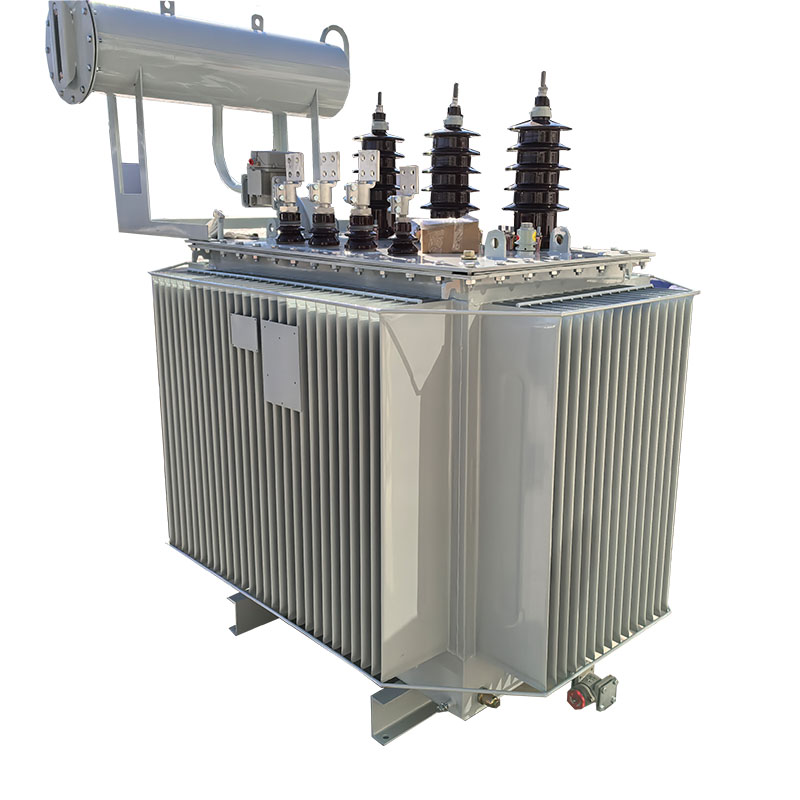
For transformers operating outdoors, having solid physical construction isn't just important it's essential for long term reliability. The conservator tank plays a key role by handling fluctuations in oil volume when temperatures change. Without this component, there would be problems with either vacuum forming inside or excessive pressure building up which can damage seals and affect insulation quality. Sealed breathers typically contain materials like silica gel or molecular sieves that stop moisture from getting into the system. These help maintain good electrical properties of the oil while also preventing acids from developing over time. Bushings designed to resist contamination have longer paths for electricity to travel across their surfaces, plus they're made with special coatings or glazed porcelain that repels water. This helps prevent electrical breakdowns especially near coastlines where salt air is prevalent. Some newer models go even further by adding nitrogen gas layers or filling spaces with non-reactive fluids to completely get rid of any chance of internal condensation forming. All these different components work together as part of what many call a three part protection system, significantly increasing how long transformers last before needing maintenance and cutting down on unexpected power failures across our high voltage grid networks.
Cooling System Selection for Variable Outdoor Conditions
ONAN, ONAF, and OFAF Trade-offs: Balancing Thermal Performance with Dust, Wind, and Ambient Temperature Extremes
Choosing the right cooling system depends heavily on what kind of environment it will operate in. ONAN systems are simple to maintain but struggle when temperatures go above 40 degrees Celsius or during prolonged periods of heavy load. The ONAF option adds fans to help reject heat better, which works well in really hot and dry areas. However, these fans tend to break down faster in places with lots of dust or strong winds unless there's good filtration and vibration management in place. OFAF systems offer the best thermal capacity overall and keep the core cooling separate from outside particles, making them much more reliable in dusty, humid, or polluted environments. Of course, this comes with tradeoffs like higher complexity and greater energy consumption. When making selections, utility companies need to look at actual local data rather than just general climate classifications. Factors like extreme temperature ranges, how much dust is floating around (measured by things like PM10 and PM2.5 levels), and typical wind patterns all matter significantly for getting optimal performance, system reliability, and managing long term costs effectively.
FAQ
What impact does humidity have on outdoor transformers?
Humidity accelerates moisture absorption in transformer insulation, reducing its dielectric strength by up to half when fully saturated.
How does pollution affect transformer performance?
Pollutants form conductive layers on bushings, increasing risks of surface tracking and electrical discharges.
What are the benefits of using stainless steel enclosures?
Stainless steel enclosures resist corrosion, especially in coastal areas where salt air is prevalent.
Why are mineral oil transformers still commonly used?
Mineral oil transformers are cost-effective and have proven reliability, though they face competition from safer, more environmentally friendly alternatives.