EN
EN
 AR
AR
 BG
BG
 HR
HR
 CS
CS
 DA
DA
 FR
FR
 DE
DE
 EL
EL
 HI
HI
 PL
PL
 PT
PT
 RU
RU
 ES
ES
 CA
CA
 TL
TL
 ID
ID
 SR
SR
 SK
SK
 SL
SL
 UK
UK
 VI
VI
 ET
ET
 HU
HU
 TH
TH
 MS
MS
 SW
SW
 GA
GA
 CY
CY
 HY
HY
 AZ
AZ
 UR
UR
 BN
BN
 LO
LO
 MN
MN
 NE
NE
 MY
MY
 KK
KK
 UZ
UZ
 KY
KY


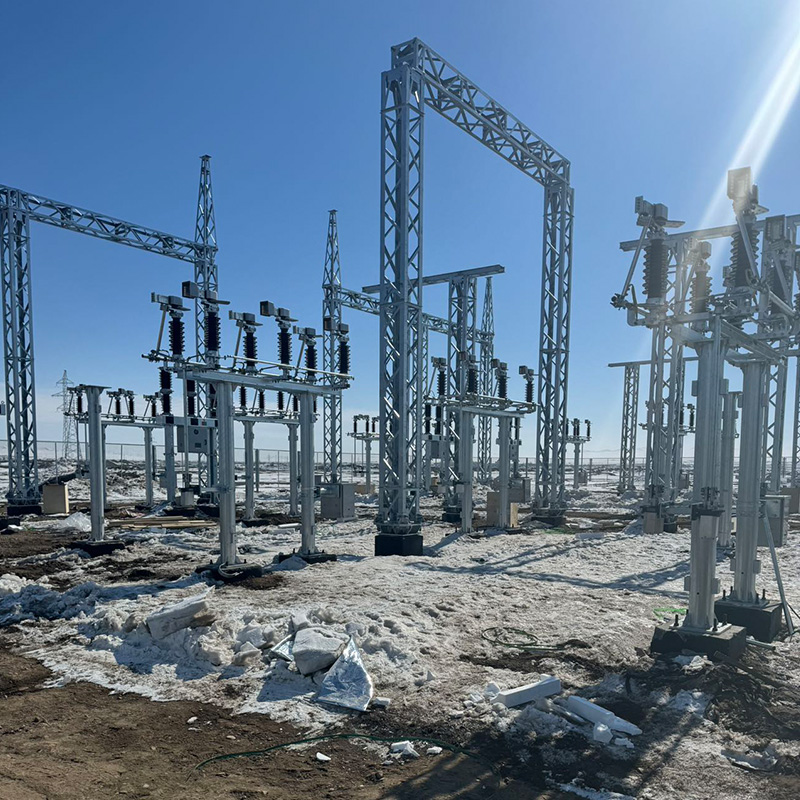
The Strategic Importance of Substation Location
A substation steps transmission voltage down to distribution levels, isolates faults through circuit protection, and controls power flow across interconnected grid segments. Selecting the wrong site adds decades of operational inefficiency — excessive line losses, voltage drop beyond regulatory limits, and constrained expansion forcing costly relocation when load growth exceeds original projections.
The site selection process weighs technical, economic, environmental, and regulatory factors simultaneously. Missing any category produces a site that satisfies engineering requirements but faces permitting delays, community opposition, or budget overruns canceling the project before construction begins.
An African utility planning three 132/33kV substations for a growing industrial corridor saved approximately $4.2 million by adjusting sites 800 meters eastward to avoid seasonal flood zones identified during geotechnical surveys. The shift added minor transmission line length but eliminated the need for elevated foundations and drainage pumps operating continuously during rainy seasons — a recurring operational cost that would have accumulated over the substation's 40-year design life.
Technical Requirements
Electrical Proximity and Load Center Positioning
The substation must sit close to its electrical load center. Every kilometer of distribution feeder adds resistive losses proportional to current squared — a 10MW load through 5km of 33kV cable loses 2–3% more energy than through 1km. Over 30 years, this differential compounds significantly.
Load forecasting drives proximity calculations. A site optimized for current demand becomes suboptimal if industrial development shifts the load center. Planners project demand 10–15 years forward, positioning the substation at the forecast centroid. GIS-based load density mapping overlays land use plans with electrical demand to identify the minimum aggregate feeder length point.
Geotechnical Conditions
Soil bearing capacity determines foundation costs. Power transformers weighing 50–150 tons require stable ground exceeding 150 kPa for direct foundations. Sites below 100 kPa demand pile foundations adding 15–25% to civil costs.
Flood risk uses 100-year flood plain data, not historical water levels. Elevating the substation platform 0.5–1 meter above this boundary provides margin against flood events and gradual water table rise. Slope stability matters in hilly terrain — cutting into slopes creates retaining wall costs that escalate with cut depth.
Transportation Logistics
Transformers arrive as complete units on multi-axle trailers. The route from port or factory must accommodate loads up to 4.5 meters wide and exceeding 100 tons. Bridge ratings, overhead clearances, and road conditions require verification before site approval. Access roads must remain passable year-round for both construction and emergency maintenance.
Environmental and Regulatory Considerations
Electromagnetic Field Compliance
ICNIRP guidelines specify public exposure limits for power-frequency fields. Substation boundary fencing must position magnetic field strength at publicly accessible areas below 200µT for continuous exposure, typically requiring 5–15 meter setbacks depending on voltage level.
Noise and Visual Impact
Transformer hum at 100–120 Hz generates 60–75 dB(A) at one meter. Residential receptors within 50–100 meters experience audible hum at night. Noise barriers, low-noise transformer specifications, or increased setbacks address community concerns. Visual screening through earth berms or vegetation satisfies municipal requirements without affecting electrical clearances.
Environmental Permitting
Environmental assessments examine endangered species habitat, wetland encroachment, and stormwater management. Substations occupy 0.5–5 hectares — large enough to trigger review thresholds. IEC 61936-1 provides international standards for substation design and installation, including site selection criteria covering clearances, grounding, and environmental factors. Compliance with this standard demonstrates due diligence to regulators, insurers, and financing institutions evaluating project risk during the investment approval process.
Frequently Asked Questions
How far should a substation be from residential areas?
Distribution substations (11–33kV) typically require 50–100 meters. Transmission substations (132kV+) maintain 100–300 meters. Determining factors are EMF compliance at boundaries, transformer noise at night, and visual impact. Regulatory minimums vary by jurisdiction.
What soil conditions disqualify a substation site?
Expansive clay soils, high-compressibility peat, and groundwater within 1–2 meters of surface all require expensive mitigation. None automatically disqualifies a site, but civil engineering cost premiums may shift economics toward alternative locations.
Why is flood risk assessment critical for substation site selection?
Water ingress at operating voltages causes catastrophic failure through arc flash. Even non-submerged flooding saturating cable trenches or undermining foundations causes extended outages. Suppliers like Liaoning Sinotech Group incorporate flood risk analysis into EPC project feasibility studies.
How does load forecasting influence substation site selection?
Forecasts projecting 10–15 years using municipal plans, industrial permits, and demographic trends identify the long-term load centroid. Positioning the substation there minimizes lifetime feeder losses and defers additional substation construction compared to optimizing for current conditions alone.
What role does transportation logistics play in site selection?
Transformer transport represents a non-negotiable constraint. Bridges with insufficient ratings, tunnels with inadequate clearance, and seasonal road restrictions can eliminate otherwise suitable sites. Route surveys by heavy-haul specialists identify these constraints before engineering resources are committed.
Can existing substation sites be expanded instead of selecting new ones?
Yes, and this is often preferred. Adding transformer bays, extending busbars, or upgrading transformers avoids permitting and land acquisition challenges. Existing sites have established access, grid connections, and environmental baseline data — advantages shortening timelines by 12–18 months versus greenfield development. However, expansion must consider whether the original grounding grid design and fault current capacity can accommodate additional equipment without exceeding step-and-touch potential safety limits at the expanded footprint boundary.