EN
EN
 AR
AR
 BG
BG
 HR
HR
 CS
CS
 DA
DA
 FR
FR
 DE
DE
 EL
EL
 HI
HI
 PL
PL
 PT
PT
 RU
RU
 ES
ES
 CA
CA
 TL
TL
 ID
ID
 SR
SR
 SK
SK
 SL
SL
 UK
UK
 VI
VI
 ET
ET
 HU
HU
 TH
TH
 MS
MS
 SW
SW
 GA
GA
 CY
CY
 HY
HY
 AZ
AZ
 UR
UR
 BN
BN
 LO
LO
 MN
MN
 NE
NE
 MY
MY
 KK
KK
 UZ
UZ
 KY
KY


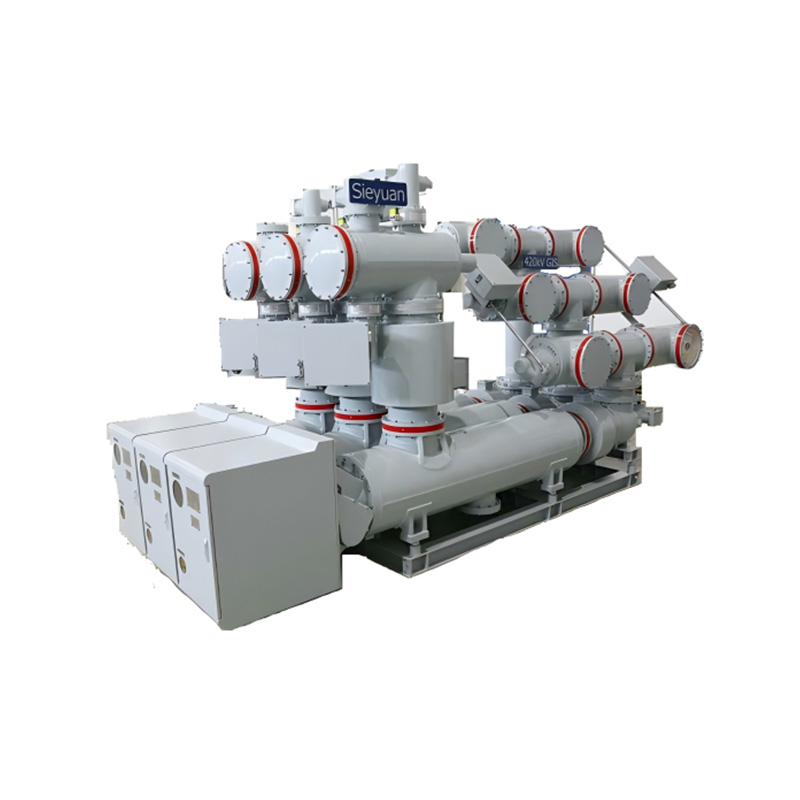
Understanding GIS Service Life: Nominal vs. Actual Operational Lifespan
Defining nominal service life and real-world operational longevity of GIS
The expected lifespan of Gas Insulated Switchgear (those big electrical boxes we see around power stations) usually stands at around 30 to 40 years according to what manufacturers claim when everything goes perfectly in lab tests. But let's be honest, this figure comes from ideal situations where there's no leaks in the sulfur hexafluoride gas, temperatures stay constant, dirt stays away, and maintenance happens exactly as scheduled. Reality tells a different story though. Field installations often struggle because of local conditions. Coastal areas deal with corrosion problems from salty sea air eating away at enclosures. Industrial sites have all sorts of conductive particles floating around that slowly damage contact points inside the gear. And then there's the constant expansion and contraction from temperature changes which wears down welds and seals over time. Speaking of which, how clean the SF6 gas remains turns out to be super important for how long these systems actually last. We've seen units keep running past 50 years when gas concentrations stay above 97%, but if there's even a small leak causing losses over 0.5% each year, most won't make it past 25 years. So while specs look good on paper, what really determines how long GIS equipment lasts isn't so much about what was built, but rather about where it ends up and how well operators take care of it day to day.
The 'sealed-for-life' promise: Design intent versus field performance of GIS
Gas insulated switchgear (GIS) comes with the promise of being "sealed for life," featuring laser welded enclosures and high quality gaskets meant to keep out moisture, oxygen, and all sorts of contaminants forever. But real world experience tells a different story. The numbers don't lie either - across the industry we see SF6 leakage rates averaging around 0.5 to 1% per year. This means the insulation doesn't last as long as manufacturers claim, and definitely contradicts their zero leakage promises. When these units sit in humid areas, water slowly works its way through older seals and starts forming corrosive sulfur compounds. Plus, every time operators flip switches back and forth, it wears down the contacts until they resist electricity flow by 15 to 30% after just 15 years of service. So really, "sealed for life" should be seen more as a goal than a guarantee. It only works well when facilities actually implement proper gas monitoring systems, maintain humidity levels, and do regular maintenance checks. Equipment located in clean, temperature stable environments tends to perform closest to what designers expect. Meanwhile, those stuck in polluted areas or places with extreme temperature changes need about three times as many repairs and adjustments compared to their better situated counterparts.
Key Factors That Influence GIS Longevity
SF₆ Gas Sealing Integrity and Leakage as the Dominant Aging Driver for GIS
The integrity of SF6 gas plays a critical role in determining how reliable GIS systems are and how long they last. Small leaks can actually weaken the dielectric strength over time as moisture gets inside along with oxygen these elements act as catalysts that speed up decomposition processes and encourage corrosion. When annual leakage goes above 0.5%, this tends to make equipment age much faster, which means higher chances of failures happening sooner than expected and shorter overall lifespan. To keep seals intact, regular leak checks using techniques like infrared imaging or other tracing gas approaches are necessary. Replacing gaskets when needed and following strict commissioning procedures form the basis for meeting or even surpassing those manufacturer specified life expectations.
Corrosion and Contact Degradation in GIS Enclosures and Interrupters
Corrosion inside equipment mainly happens when SF6 breaks down into stuff like SOF2 and HF, which then react with tiny amounts of moisture present. These chemical reactions eat away at aluminum busbars, copper contacts, and even stainless steel enclosures, making them less conductive and structurally weaker over time. At the same time, all those switch operations wearing down contacts day after day lead to higher resistance points that get hot locally. If we don't catch these issues early on, they'll eventually limit how much current can pass through safely and make thermal runaway much more likely. To stay ahead of problems, technicians need to do regular checks visually, measure contact resistance levels, and analyze gases inside the system. Catching signs early means fixing things before major failures happen and expensive repairs become necessary.
Environmental Stressors: Humidity, Pollution, and Thermal Cycling Effects on GIS Reliability
The outside environment takes a real toll on GIS systems over time through both mechanical wear and chemical reactions. For coastal installations, salt deposits create serious corrosion problems that can weaken enclosures and make seals fail. Humid areas are another challenge since moisture builds up inside equipment at night when temperatures drop, leading to rust spots and electrical issues down the road. Metal parts expand and contract constantly due to temperature changes throughout the day, which puts extra strain on weld points, flange connections, and rubber seals after months of operation. Although GIS generally holds up better against these stresses compared to traditional AIS systems, getting installation right matters a lot for long term reliability. Good ventilation, protection from direct sunlight, and customized sealing solutions based on specific site conditions all help extend service life significantly.
Extending GIS Service Life Through Smart Maintenance Practices
Scheduled maintenance: Benefits, limitations, and impact on GIS residual life
Regular maintenance keeps GIS systems running reliably by checking things systematically, applying lubricants where needed, verifying torque specs, and replacing parts according to set schedules. This approach stops a lot of problems before they happen and helps meet all those regulations that manufacturers have to follow. But there are some real downsides too. Problems that pop up between service visits often slip through unnoticed. And sometimes mechanics end up doing work that isn't actually necessary, which just creates more chances for mistakes or replaces parts sooner than they need to be. Research suggests that sticking to time-based maintenance can give about 15 to maybe 20 percent longer life span compared to fixing things only when they break down. Still, it doesn't measure up against condition monitoring techniques when looking at costs over time or how long equipment lasts overall. What scheduled maintenance does best is create reference points for future comparisons and maintain basic system health. It's not really about matching maintenance to how fast components actually wear out though.
Condition-based maintenance for GIS: PD detection, DGA, and moisture monitoring as life-extension enablers
Condition based maintenance (CBM) changes how we manage GIS systems over their lifetime, moving away from fixed schedules to decisions based on actual equipment conditions. For instance, partial discharge detection can spot early signs of insulation problems months before anything actually fails. This works by picking up those high frequency signals coming from tiny discharges inside the system. Another key technique is dissolved gas analysis for SF6 gas, which helps technicians figure out if there's arcing happening, or if something is getting too hot. The test looks at specific gases that form when things start breaking down. Keeping track of moisture levels is also critical. Some systems have sensors built right in, while others need regular checks of dew points. Getting ahead of moisture issues prevents corrosion before it starts causing damage. Putting all these diagnostic methods together cuts down unplanned downtime by around 35 to 40 percent according to field reports. Equipment tends to last longer than expected too, sometimes well past what manufacturers originally projected. And overall, the systems become much better at handling both heat stress and whatever environmental challenges come along. For older GIS installations that are already past the 30 year mark, this kind of smart maintenance makes all the difference between costly failures and reliable operation.
Evaluating End-of-Life and Planning GIS Replacement or Refurbishment
Figuring out when to retire gas insulated switchgear needs looking at several factors together: how worn it actually is, whether spending money makes sense financially, and what the grid demands for reliable operation. When there's ongoing SF6 leaks above half a percent per year, signs of insulation breakdown detected through partial discharge tests, or contact resistance going up more than thirty percent from original readings, then replacement might just be the only way forward. Refurbishing still works well technically and economically if the main parts like the outer casing and supporting framework are still solid. Specific fixes such as replacing contacts, upgrading moisture controls, or getting SF6 back into good shape can often stretch equipment life another eight to twelve years. More and more companies are turning to lifecycle cost calculations these days. While fixing old systems usually runs around forty to sixty percent of what a brand new GIS would cost, operators need to consider all the advantages newer models bring to the table including better monitoring capabilities, smaller physical size, and improved protection against cyber threats. Planning ahead matters a lot for keeping the grid stable. Phased replacements make sense given that custom made GIS parts take longer than eighteen months to arrive, so utilities need to map out transitions carefully without letting essential power services get disrupted.
FAQ
What is the difference between nominal and actual service life of GIS?
The nominal service life of GIS is typically 30 to 40 years, based on ideal conditions. However, the actual operational lifespan can vary greatly depending on environmental factors, maintenance practices, and other real-world conditions.
Why is SF6 gas integrity crucial for GIS longevity?
SF6 gas integrity is vital as leaks can compromise dielectric strength, leading to faster aging of equipment. Maintaining proper gas sealing can prevent moisture ingress and encourage longer system life.
How does environment affect GIS lifespan?
Environmental factors like humidity, pollution, and coastal conditions can accelerate corrosion and wear, reducing GIS lifespan.
What maintenance practices can extend the life of GIS?
Smart maintenance practices, including condition-based maintenance and regular inspections, can extend GIS life significantly by preventing unexpected failures and catching issues early.